Diving In Nusa Penida: Sites, Seasons, And What A Dive Day Costs
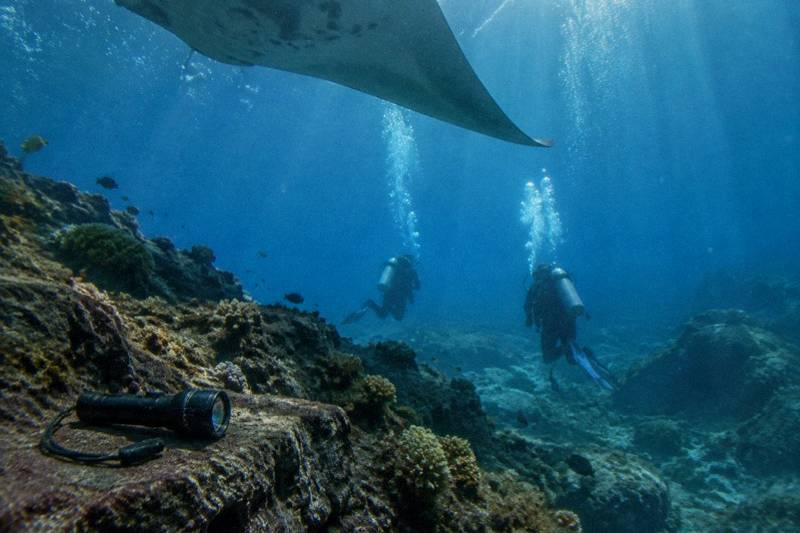
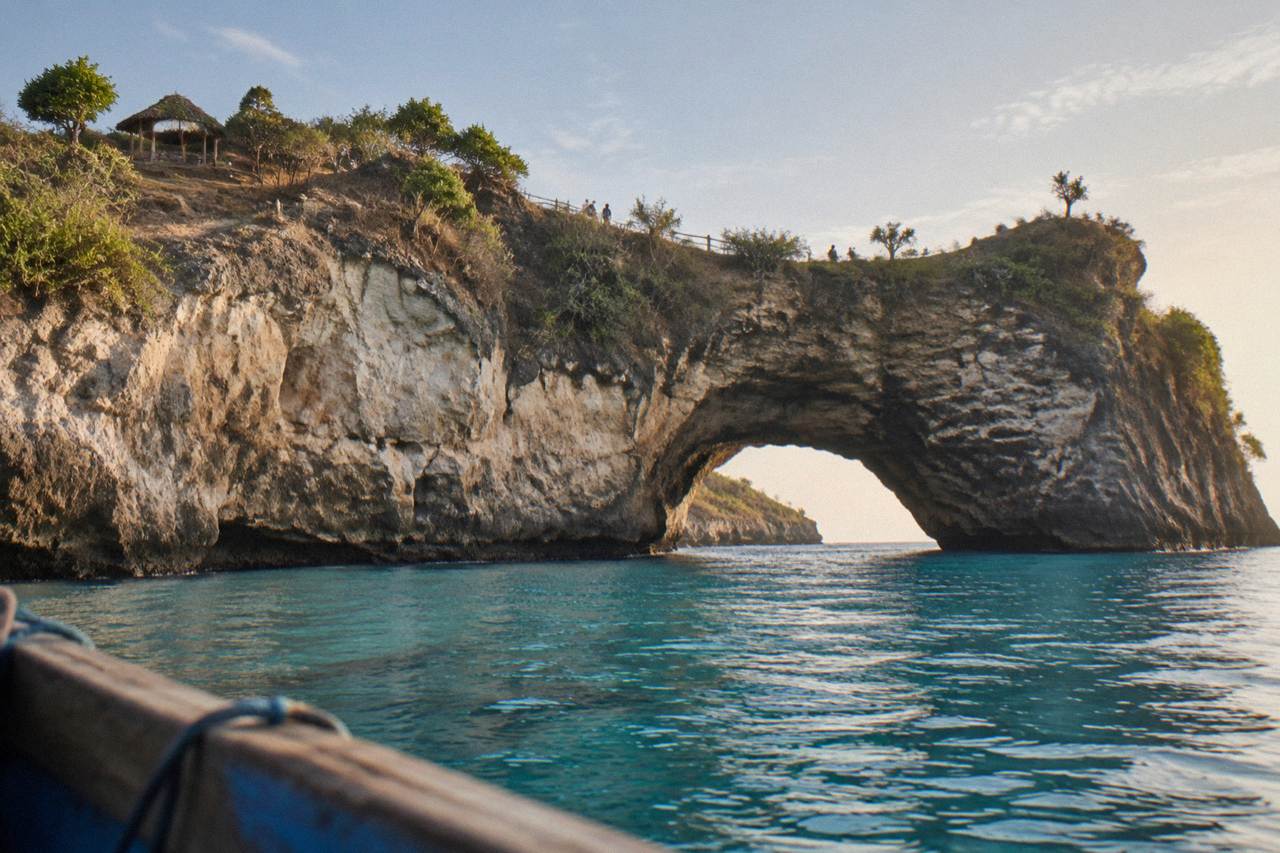
Nusa Penida is the dive destination people arrive for by fast boat without always realising it: the same cliffs photographed from the viewpoints at Kelingking and Broken Beach drop straight into water where manta rays circle cleaning stations year-round and sunfish appear in the cooler months.
Short answer
Diving in Nusa Penida centres on Manta Point, Crystal Bay and the wall and reef sites along the north coast. A three-dive day for certified divers runs from $248, a beginner try-scuba trip from $114.53. Water sits at 22 to 29 C, visibility reaches 15 to 30 m in good conditions, and mola mola season runs July to October.
Diving In Nusa Penida: Sites, Seasons, And What A Dive Day Costs
Most visitors meet Nusa Penida from above, at a cliff viewpoint with a phone raised. The island's other half is underwater. The same coastline that produces those cliffs produces the dive sites: walls, sheltered bays and cleaning stations where manta rays turn up in every month of the year, and where oceanic sunfish drift in from deep water when the temperature drops. Diving here is a different product from the snorkel trips most day visitors take, with different sites, different seasons and a different price band, and this guide separates the two properly.
The site's own Nusa Penida Tours roster covers both worlds: snorkel and land tours for the one-day crowd, and two dive products, one for certified divers and one for absolute beginners. The pages on manta point snorkeling and the island snorkeling tours cover the surface version of the same water; this page is for anyone considering tanks.
What Makes Nusa Penida A Serious Dive Destination?
Nusa Penida sits inside a marine protected area of roughly 20,000 hectares, established around 2010 and expanded in 2014, and its dive sites combine large pelagic encounters with accessible reef diving. The signature draws are manta rays, present year-round at cleaning stations, and mola mola, the oceanic sunfish that appears reliably between July and October. Water temperatures run 22 to 29 C, and visibility in good conditions reaches 15 to 30 m.
The protected-area status matters more than a badge. It is the legal basis for the code of conduct around the manta sites: no touching, no chasing, a minimum distance of 3 m, and supervision by guides on every tour. It also shapes what operators can and cannot do at the moorings, which is why dive boats run as they do rather than anchoring freely over the reef.
The island's geography does the rest. The south and west coasts face open Indian Ocean swell, which is exactly why Manta Point is fed by plankton-rich upwellings, and why it can be unreachable when the swell stands up. The north coast, facing the strait toward Bali and Nusa Lembongan, holds the calmer sites: Toyapakeh, Gamat Bay, the wall at SD and Crystal Bay on the west. A dive operator's real skill here is picking the right side of the island on the right morning.
| Dive area | Exposure | Typical character | Best conditions |
|---|---|---|---|
| Manta Point (southwest) | Open ocean, swell-exposed | Cleaning stations, manta rays, plankton | Calm dry-season days |
| Crystal Bay (west) | Sheltered bay | Reef, turtles, mola mola in season | April to September |
| Toyapakeh and SD (north) | Protected strait | Drift dives along a healthy wall | Year-round |
| Gamat Bay (north) | Sheltered | Coral, turtles, seagrass, quieter | Year-round |
| Manta Bay (southwest) | Shallower than Manta Point | Snorkel-friendly manta encounters | Calmer days, swell-dependent |
Where Are The Main Dive Sites Around The Island?
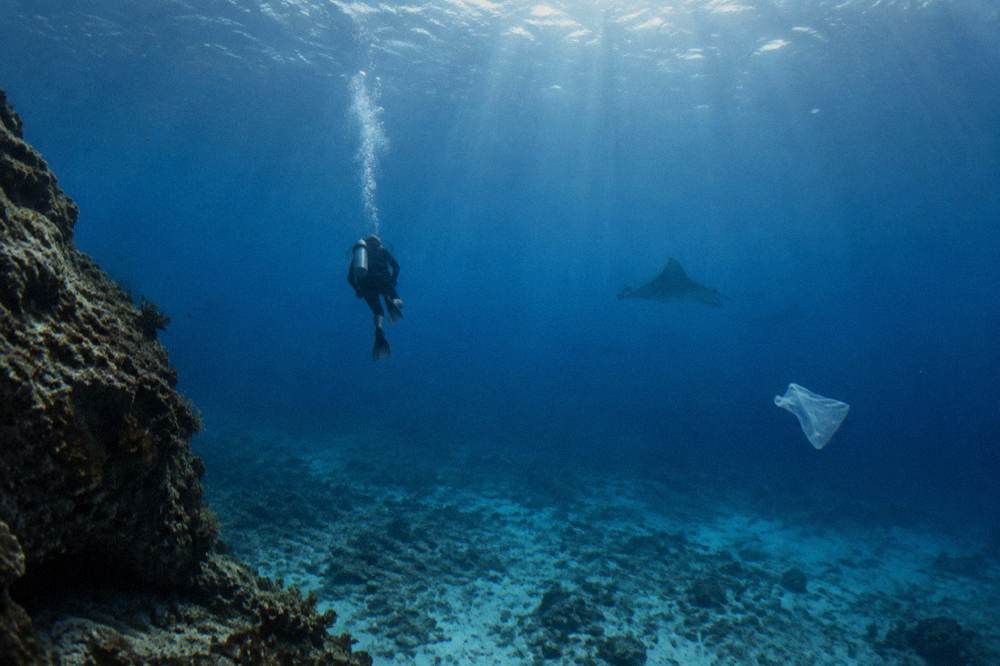
Manta Point is the pelagic headline: a cleaning-station dive where mantas are seen year-round, with operator-reported encounter rates of roughly 85 to 95 percent. Crystal Bay is the mola mola site, with sunfish appearing July to October. The north coast wall sites, Toyapakeh, SD and Gamat Bay, hold the healthiest coral and the calmest conditions, and they are the standard second and third dives of a three-dive day.
Manta Point deserves its reputation and its caveats in equal measure. It is a deep, exposed site, and operators report that when the swell runs, the site is simply off the menu and the boat reroutes. When it is diveable, the mantas come to be cleaned rather than fed, so the encounter depends on the animals' own behaviour, which is why no honest operator guarantees a sighting. The roster's dive listings are consistent on this: none promises a manta, and the protected-area rules forbid the practices that would manufacture one.
Crystal Bay works as the seasonal bookend. Through the dry season it is a sheltered, mild-current reef dive with 20 to 30 m visibility reported and a good population of turtles; from July, and peaking August to September, divers descend deeper on the cold thermoclines to look for mola mola coming up from open water. Gamat Bay, quieter and shallower, is the year-round fallback and pairs well with a first dive elsewhere on the north coast.
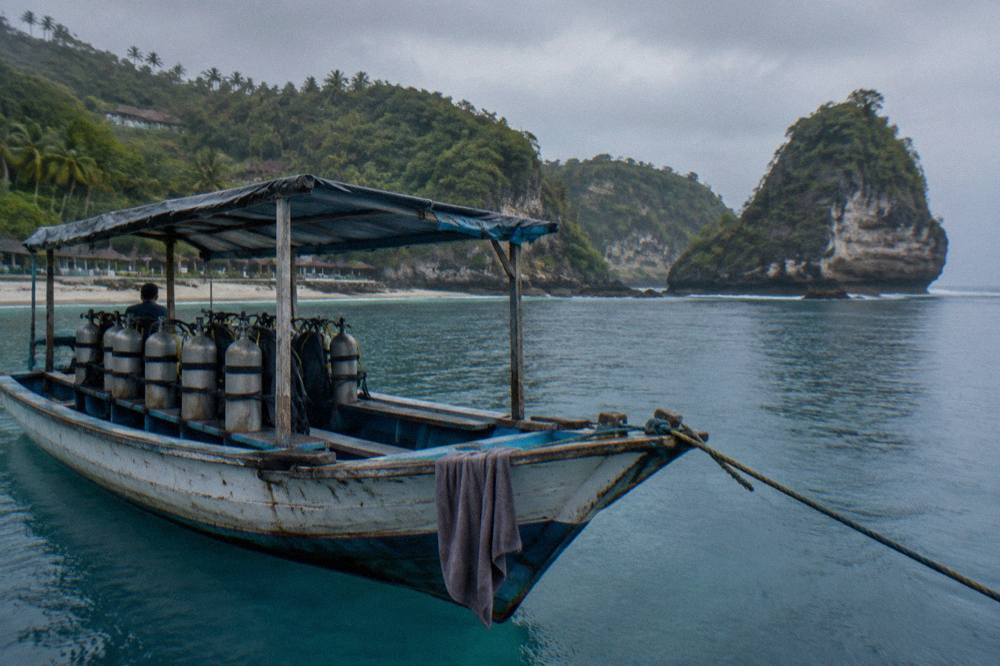
For anyone weighing scuba against the surface version, the practical difference is depth and time: snorkelers at Manta Bay see mantas from above on their own terms, while divers at Manta Point and Crystal Bay spend longer at depth with a wider range of sites available. The site's snorkeling guide covers that comparison in detail.
If you already know you want to be underwater with tanks, these are the three products on this roster that fit, from the full certified day to the beginner session to the strongest combined snorkel-and-land option:
What Does A Certified Three-Dive Day Cost And Include?
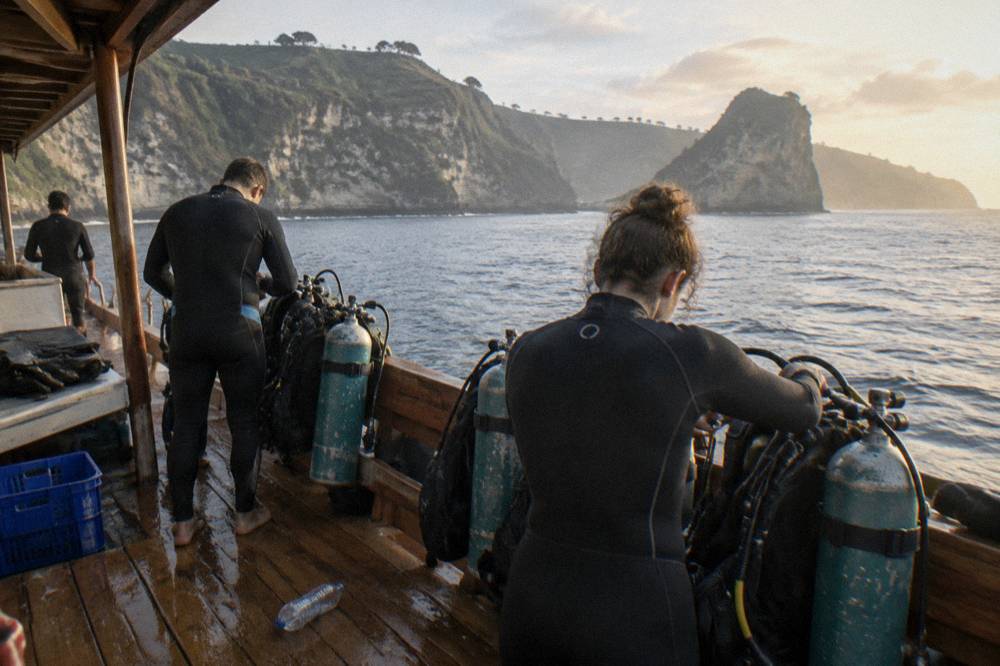
The certified product on this roster is the three-fun-dives day from Bali Legends Dive Center, from $248 per person for 8 to 9 hours, rated 4.8 from a small pool of 31 reviews. It includes three guided dives, a certified dive guide, tanks, weights and belt, hotel pickup and drop-off in the Sanur, Kuta, Seminyak and Jimbaran areas, and a shared boat. Dive insurance is not included and is recommended separately.
The price gap between this and a snorkel tour is the gap between two products, not two markups on the same one. Three guided dives with a certified guide, gear handling and boat time is a full technical service, and the listing's own lines spell out what the fee covers and what it does not: certification is required (this is not a course), equipment beyond tanks, weights and belt may be charged, and insurance sits outside the package.
What the listing includes, in its own words: three guided fun dives at Nusa Penida, a certified dive guide (PADI or equivalent), tanks, weights and belt, hotel pickup and drop-off within the named south Bali zones with an additional charge outside them, an option to meet directly at the dive center in Sanur, and a shared boat. Not included: dive insurance, personal expenses and gratuities, dive certification for non-certified divers, and equipment beyond the tank and weight setup.
A note on the rating: 4.8 from 31 reviews is a strong score from a genuinely small pool, and it should be read as exactly that. The larger review counts on this site belong to the snorkel and land products, which sell in far higher volume. Small pool, good score, honest framing.
The certified day is the product for divers who want the full site menu, Manta Point included when conditions allow, with the north-coast wall as the reliable backbone of the schedule.
Can You Dive In Nusa Penida Without A Certification?
Yes, through a try-scuba trip. The beginner product on this roster is the try-scuba session with manta rays from Sanctum Dive Nusa Penida, from $114.53 per person for about 4 hours, rated 4.7 from 40 reviews. It includes coffee or tea, lunch, snacks and full use of scuba equipment, with no certification required. It runs from the dive center on Nusa Penida itself, so you make your own way there, and breakfast is not included.
This is the honest answer for anyone who has watched manta videos and assumed they needed a licence first. A try-dive is not a certification course and does not leave you with a card, but it puts you underwater, breathing, with a manta site on the itinerary when conditions allow. The listing's own inclusion lines are unusually clear about the shape of the day: equipment, lunch, snacks and hot drinks in; private transport out, since the meeting point is the Sanctum Dive Center on the island.
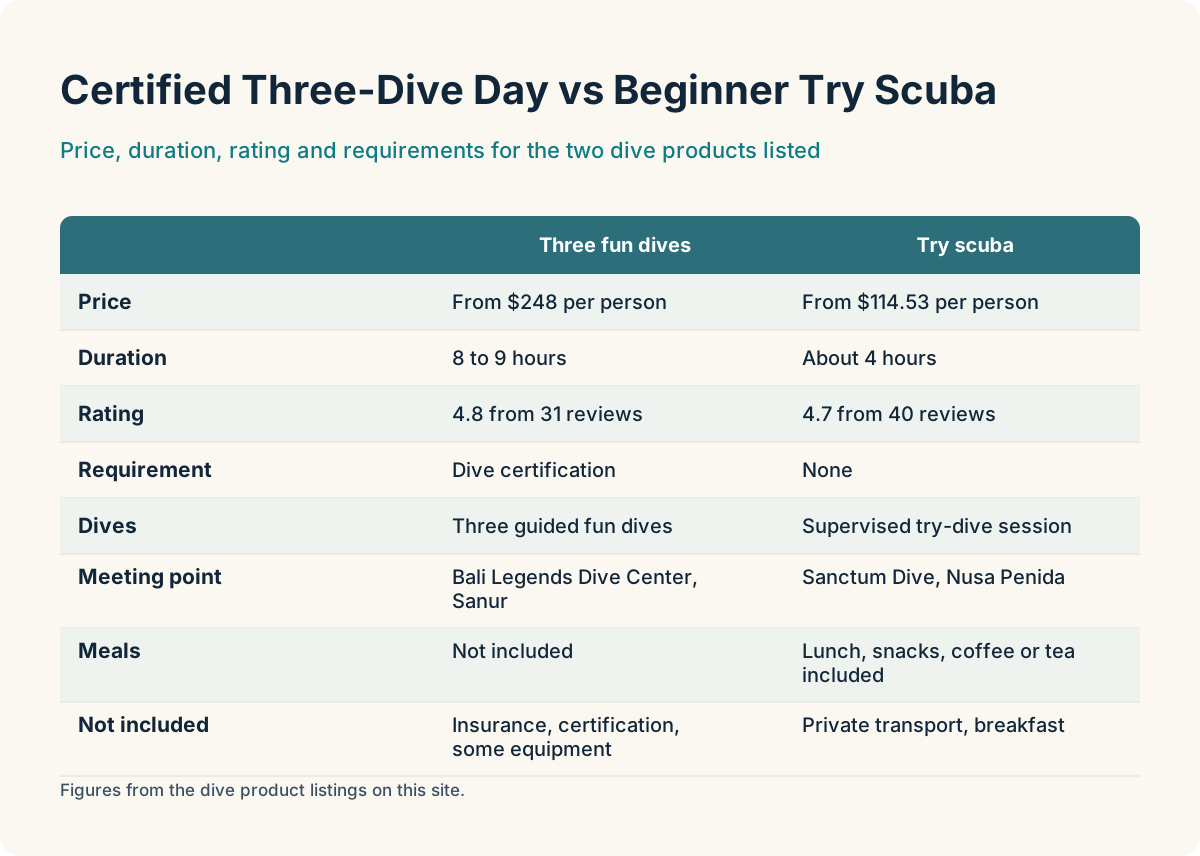
The two dive products split cleanly, and the table below is the decision in one view:
| Three fun dives (certified) | Try scuba (beginner) | |
|---|---|---|
| Price | From $248 per person | From $114.53 per person |
| Duration | 8 to 9 hours | About 4 hours |
| Rating | 4.8 from 31 reviews | 4.7 from 40 reviews |
| Requirement | Dive certification | None |
| Dives | Three guided fun dives | Supervised try-dive session |
| Meeting point | Bali Legends Dive Center, Sanur | Sanctum Dive, Nusa Penida |
| Meals | Not included | Lunch, snacks, coffee or tea included |
| Not included | Insurance, certification, some equipment | Private transport, breakfast |
Both listings carry free cancellation, which matters for a weather-dependent product: swell and visibility decide the dive plan on the day, and the better operators reschedule rather than push a marginal site.
When Is Mola Mola Season In Nusa Penida?
Mola mola, the oceanic sunfish, appear at Nusa Penida from July to October, with the peak in August and September. They rise from deep water onto the colder thermoclines at sites like Crystal Bay, and the encounter depends on those cold upwellings arriving, which is why the season is a probability window rather than a schedule. Manta rays, by contrast, are seen year-round with no migration season.
The two animals are the island's underwater headline acts, and they run on completely different clocks. Mantas stay because the cleaning stations and the plankton supply stay: operator logs report encounter rates of about 85 to 95 percent at Manta Point and 60 to 85 percent at Manta Bay, figures the operators themselves publish and which should be read with that label attached. The mola is a seasonal visitor tied to water temperature, and the colder the thermocline, the shallower it comes.
For a diver planning around the mola window, the practical implication is that August and September combine the best sunfish odds with peak crowds, both in the water and on the boats. July and October trade some probability for thinner groups. Outside that window, the dive day simply reverts to its manta-and-reef version, which for most visitors is still the trip they came for.
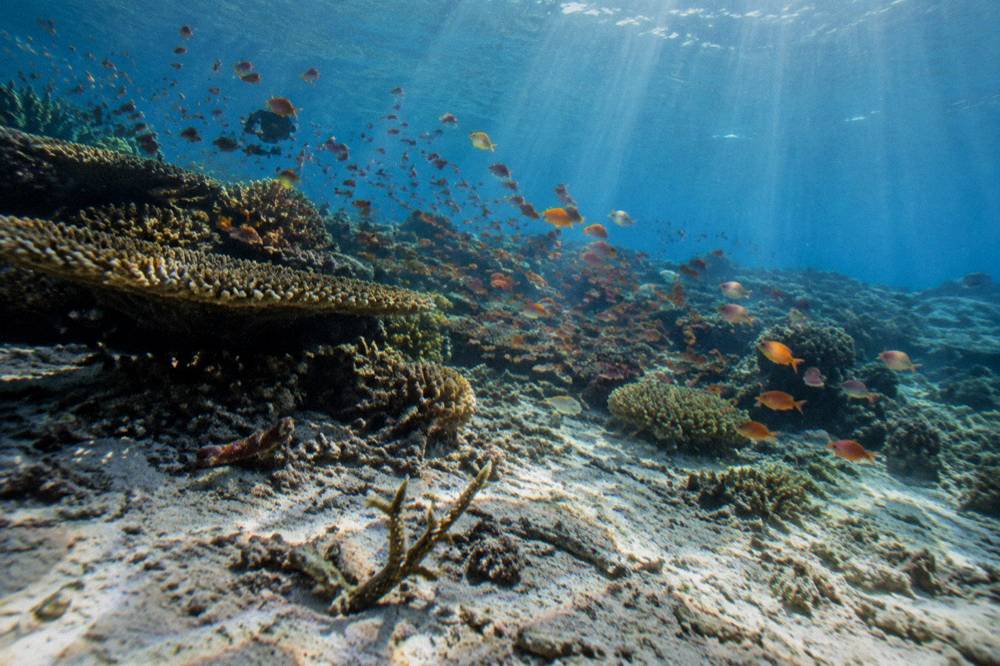
The seasonal pattern is also why the same dive site can feel like two different destinations. Crystal Bay in February is a sheltered reef dive; Crystal Bay in late August, with a cold current running and divers hanging at depth over the blue, is a sunfish stakeout.
What Are Visibility And Water Temperatures Like?
Water around Nusa Penida runs 22 to 29 C across the year, with the cooler readings in the dry-season thermoclines, and visibility in good conditions reaches 15 to 30 m. The dry season, April to October, is the calmer and clearer window; the wet season, November to March, brings rougher swell and reported visibility of 5 to 12 m, and exposed south-coast sites become unreliable or cancelled.
The temperature range is wider than most tropical dive destinations, and it is not evenly spread. A diver at Crystal Bay in August can pass through a thermocline that feels like a different ocean, which is precisely the condition the mola mola want. The same month can still deliver 29 C surface water on the north coast. A 3 mm wetsuit covers most of the year; the mola season rewards the thicker option.
Visibility follows the seasons just as strongly. The sheltered bays hold their clarity better than the exposed points: Crystal Bay reports 20 to 30 m in its calm window of April to September, while Gamat Bay, quieter and shallower, holds good conditions year-round. The south-coast manta sites sit at the mercy of the swell, and a dive planned for Manta Point in January has a real chance of rerouting.
| Period | Sea state | Reported visibility | What it means for divers |
|---|---|---|---|
| April to June | Calm | 15 to 30 m | Excellent all-round diving |
| July to August | Calm to moderate | 15 to 30 m | Mola season begins, peak crowds |
| September to October | Calm | 15 to 30 m | Mola peak, thinner than August |
| November to December | Moderate to rough | 8 to 20 m | Swell starts to bite the south sites |
| January to March | Rough | 5 to 12 m | North-coast sites only on many days |
Monthly sea temperatures, from long-term satellite averages, hold in a narrow band: 28.7 C in January, dipping to 26.2 C in August, back to 29.4 C in December, per sea temperature records for Nusa Penida. The August dip is the mola season in a single number.
What Rules Apply Around The Manta Rays?
The Nusa Penida marine protected area's code of conduct requires snorkelers and divers to stay at least 3 m from manta rays, never touch, chase or block their path, avoid flash photography, and stay outside the cleaning stations, with supervision by guides required on tours. These rules apply to every operator on this roster equally, and no listing guarantees a sighting because none is allowed to engineer one. After a long day on the water, choosing the right base matters, so our guide to the best areas and hotels on the island can help you plan with where to stay in Nusa Penida.
The code exists because the mantas' presence depends on the cleaning stations staying functional. A manta that is touched or chased stops returning to be cleaned, and the site's year-round population is the direct product of the animals not being harassed. The practical version for a diver is simple: slow, calm movements, stay at the distance the guide sets, and let the animal close the gap if it chooses to. The manta code of conduct for Nusa Penida sets out the full standard.
For divers specifically, the rules shape the dive plan itself. The guide leads, the group stays together, and the cleaning stations are approached from outside rather than above. This is also why the certified three-dive day and the try-scuba session both run with professional supervision as a listed inclusion rather than an optional extra: supervision is a condition of operating at the manta sites, not a service tier.
What If Someone In Your Group Does Not Dive?
Most mixed groups solve this with the snorkel-plus-land tours, which visit the manta sites at the surface and the island's viewpoints in the same day. The strongest-rated on this roster is the private snorkeling, manta rays and land tour from Indo Compass, from $108 per person, rated 4.9 from 2,971 reviews, including private fast boat transport, guide, gear, GoPro photos, lunch and towels.
Mixed groups are the most common real-world problem in Nusa Penida planning, and the roster answers them well. One diver books the three-dive day; the rest of the group takes a manta snorkel and land tour; everyone meets the same fast boat system out of Sanur in the morning. The private snorkeling product above is the premium version, but the shared options run cheaper: the manta snorkeling and land tour from Bali from $70, rated 4.9 from 2,660 reviews, includes round-trip fast boat, guide, full gear, lunch and all marine park entry fees and attraction tickets.
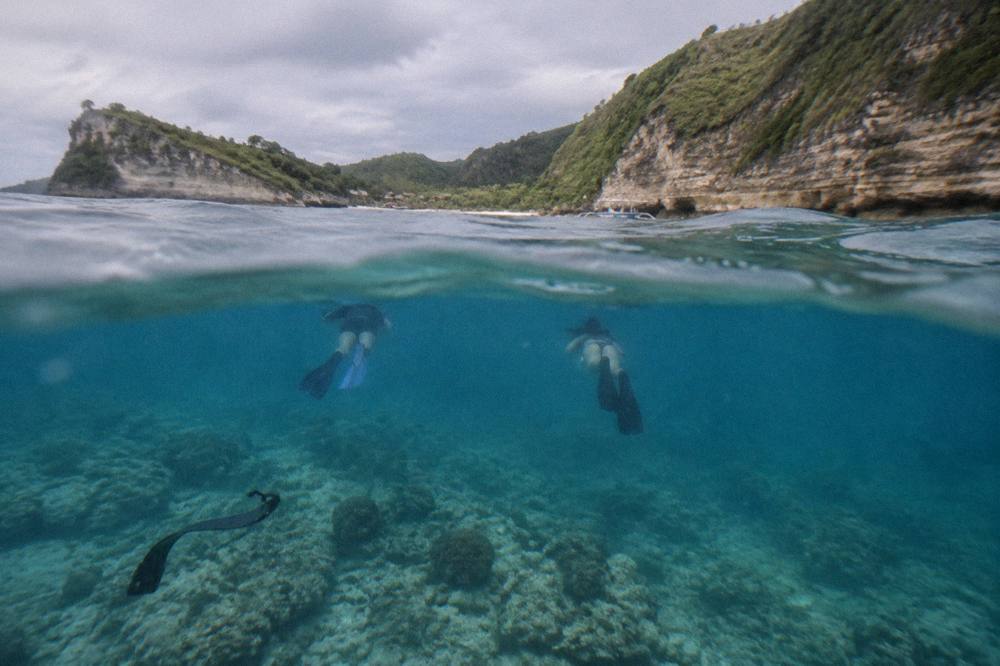
The honest comparison, covered fully on the manta point snorkeling page, is that snorkelers at Manta Bay see the same animals from above with far less training, while divers at Manta Point spend longer at depth across a wider site menu. Neither is the better product; they are different purchases. Non-divers lose nothing by staying at the surface, and the day trip planning guide covers the logistics of combining both from one Bali hotel base.
How Do You Plan The Dive Day From Bali?
Dive days run from Sanur, on the same fast boat system the day tours use: 20-plus departures daily across operators, roughly 07:30 to 17:00, crossing 25 to 60 minutes, with one-way fares about IDR 150,000 to 250,000. The certified product includes hotel pickup from the named south Bali zones; the try-scuba product meets at the dive center on Nusa Penida itself, so you arrange your own crossing.
The meeting-point split is the detail most first-time divers miss. The three-dive day starts at Bali Legends Dive Center in Sanur and handles your transport from there, which makes it the simpler product from a Bali hotel. The try-scuba session starts at the Sanctum Dive Center on Nusa Penida, which means booking your own fast boat and building the crossing into your morning; it suits travellers already staying on the island or confident with the boat system, covered in full on the fast boat guide.
Timing matters more for divers than for anyone else on the island. The dive boats want the earliest crossings, both for calm morning surface conditions and to fit three dives plus surface intervals into the daylight. A diver arriving on a midday boat has already lost the dive day. Wet-season planning needs more slack still: November to March crossings are more exposed to cancellation, and a dive trip with a tight flight schedule the next day is a bad pairing in any month.
| Planning item | Certified three-dive day | Try-scuba beginner session |
|---|---|---|
| Starts from | Sanur, Bali | Nusa Penida island |
| Hotel pickup | Included in named south Bali zones | Not included, meet at dive center |
| Crossing to arrange | Handled by the operator | Your own fast boat booking |
| Best departure window | Earliest boats, about 07:30 | Morning, to fit the 4-hour session |
| Cancellation buffer | Worth a spare day in wet season | Same, plus island transfer time |
Before any of it, the paperwork: foreign visitors pay the Bali tourist levy of IDR 150,000 once per trip, online at the official Love Bali portal, and the Nusa Penida island retribution of IDR 25,000 per adult at the harbour, both separate from any tour price. The full fee picture, including what dive and snorkel listings already include, is on the entrance fees and levy guide.
Whichever way the group splits, these are the three listings that cover the underwater half of the island:
Common Questions About Diving In Nusa Penida
Do You Need A Certification To Dive In Nusa Penida?
Not for a try-dive. The try-scuba session with manta rays from Sanctum Dive Nusa Penida, from $114.53 per person for about 4 hours, takes non-certified beginners with full equipment use included. The three-fun-dives day, from $248, does require certification, and it is not a course.
How Much Does Diving In Nusa Penida Cost?
The certified three-dive day runs from $248 per person for 8 to 9 hours. The beginner try-scuba session runs from $114.53 per person for about 4 hours. Both carry free cancellation, and neither includes dive insurance, which certified divers should arrange separately.
When Can You See Mola Mola In Nusa Penida?
Mola mola season runs July to October, peaking August and September, when cold thermoclines bring the sunfish up from deep water at Crystal Bay. Outside that window the dive day reverts to the manta and reef sites, which run year-round.
Are Manta Rays Guaranteed On A Nusa Penida Dive?
No listing guarantees a sighting, and the marine protected area rules forbid the practices that would engineer one. Operator-reported encounter rates run about 85 to 95 percent at Manta Point and 60 to 85 percent at Manta Bay, and the animals' presence depends on their own behaviour at the cleaning stations.
What Is The Water Temperature When Diving In Nusa Penida?
Water runs 22 to 29 C across the year. The cooler readings occur in the dry-season thermoclines, the same cold water the mola mola season depends on. A 3 mm wetsuit covers most of the year, with a thicker suit worth it for the August and September sunfish dives.
Can Non-Divers Join The Same Trip?
Not on the same boat, but on the same schedule. Mixed groups usually pair one diver on the three-dive day with the rest on a manta snorkel and land tour, all running from the Sanur fast boat system in the morning. The private snorkeling, manta and land tour from $108 per person, rated 4.9 from 2,971 reviews, is the strongest surface option.