Manta Point Snorkeling In Nusa Penida
Manta Point and Manta Bay are the two sites off Nusa Penida's south coast where snorkelers float above reef manta rays year-round. Here is how each site works, what the rules are, and what the bookable tours actually include.
Short answer
Manta Point is the deeper, exposed site favored by divers; Manta Bay is the shallower, more sheltered spot most snorkelers swim at. Operators report sightings year-round, roughly 85 to 95 percent at Manta Point and 60 to 85 percent at Manta Bay. Manta and snorkeling tours on this roster run from $28 to $70, and every one carries free cancellation.
Reef manta rays work the cleaning stations off Nusa Penida's south coast every month of the year, and that single fact has turned a scrubby limestone island into one of the most reliable places on earth to swim beside a four-metre fish. There is no migration season here, no lucky week to chase: the mantas stay because the plankton and the cleaning wrasse stay. What varies is the sea, the swell, and which of the two named sites your boat can reach on the day. This guide explains how Manta Point and Manta Bay actually work, what the protected-area rules demand of snorkelers, and what the manta tours you can book from Bali genuinely include, with prices and review counts taken from the live listings rather than from a brochure.
What Is Manta Point And Where Is It?
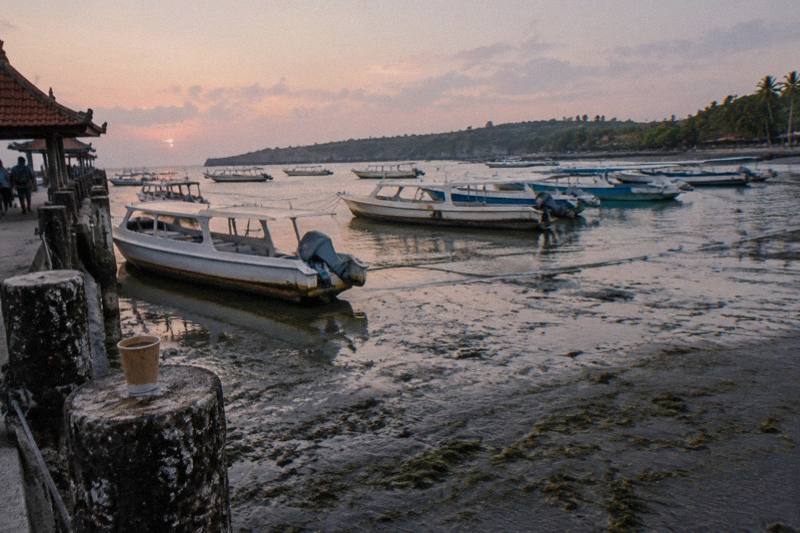
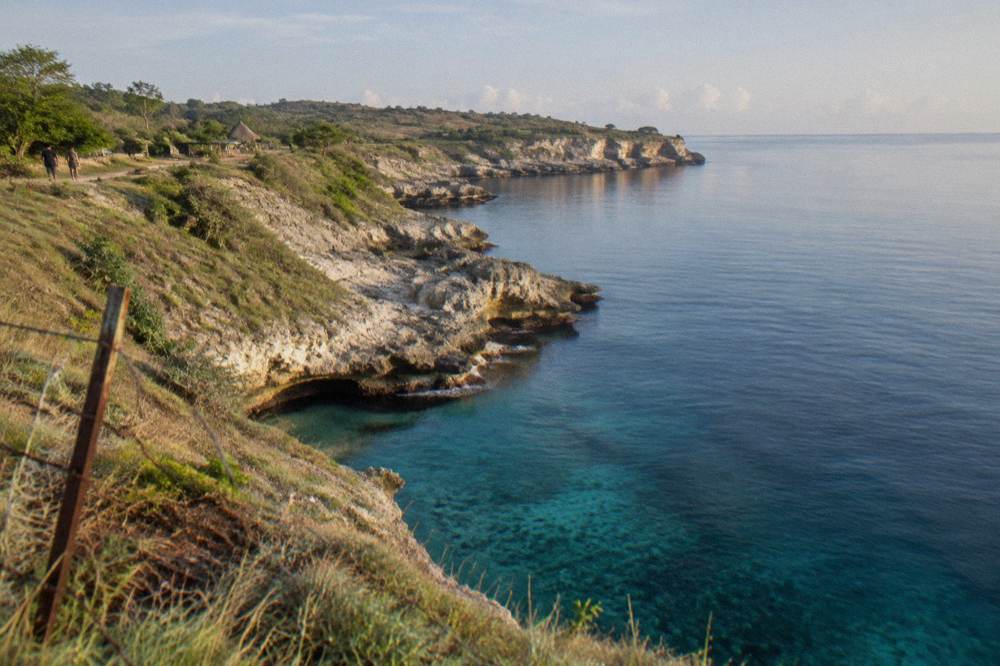
Manta Point is a cluster of cleaning stations on Nusa Penida's exposed southwest coast, roughly 45 minutes by boat from the harbours at Toyapakeh and Banjar Nyuh. It is the deeper and wilder of the island's two manta sites. Manta Bay sits closer to shore on the same coastline, shallower and more sheltered, and it is where most snorkeling tours actually enter the water.
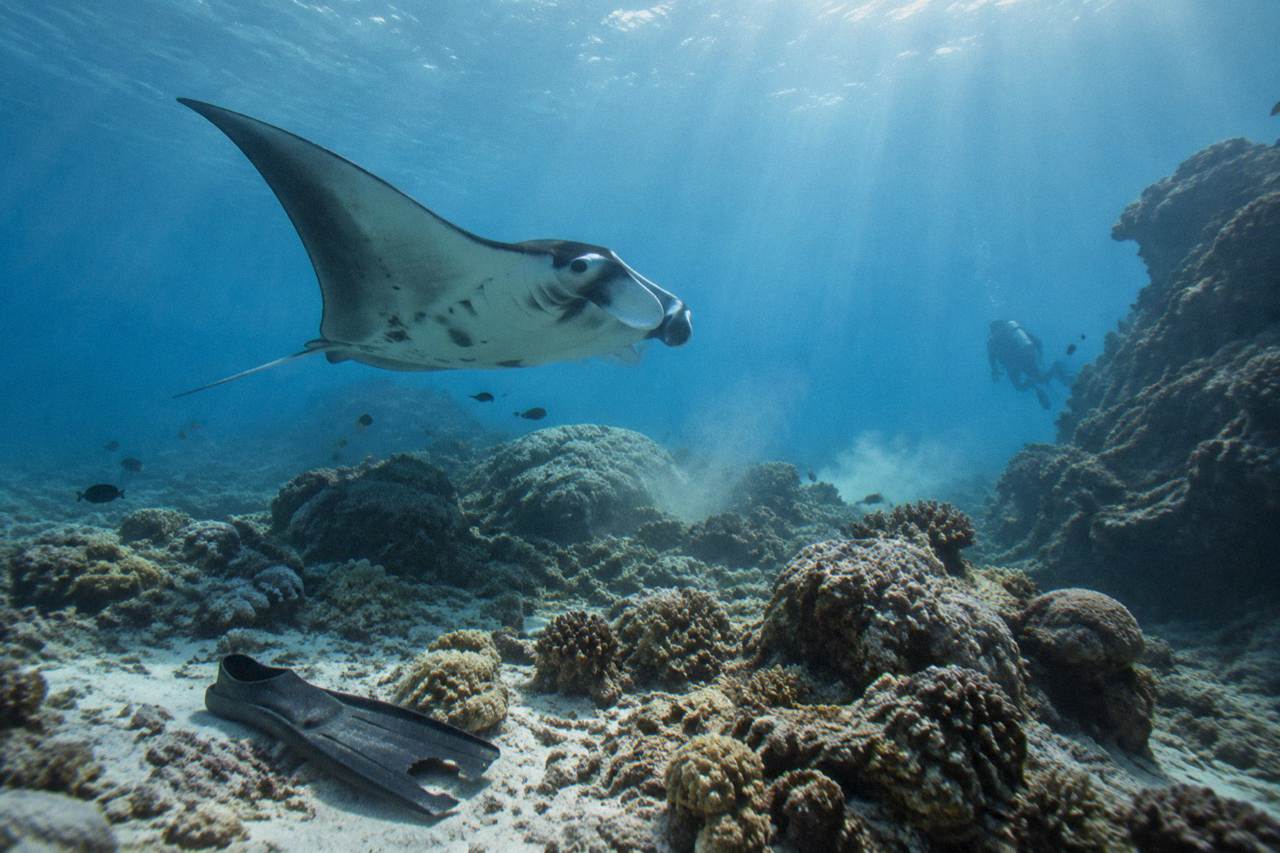
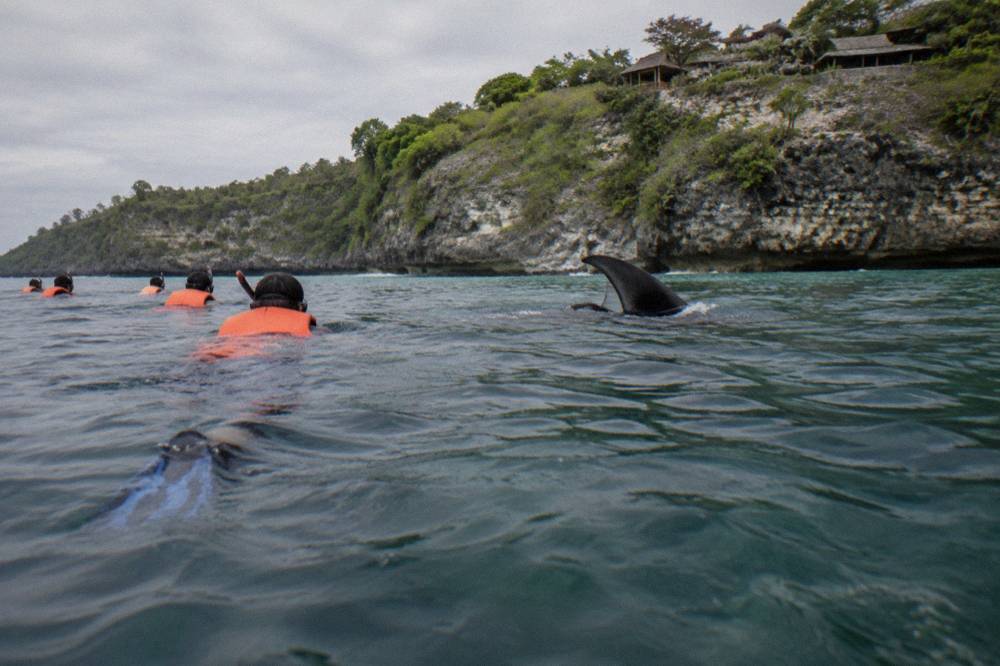
The mantas that gather here are reef manta rays, a species that patrols a home range rather than crossing oceans. They come to the cleaning stations to have parasites picked off by small wrasse, and they come to feed on plankton that wells up along the coast. Because both resources are permanent, the rays are permanent too, which is why operators can honestly advertise year-round trips without promising a sighting on any given morning.
What the site cannot control is the Indian Ocean swell. The south coast faces open water, and when the swell rises, boats reroute, delay, or cancel. Local operator logs cited across the snorkeling trade put sighting success at about 85 to 95 percent at Manta Point and 60 to 85 percent at Manta Bay, figures that are operator-reported rather than independently audited, and honest operators will say exactly that when you ask. No tour on this roster guarantees a sighting, and any that did would be selling you something the sea does not sell.
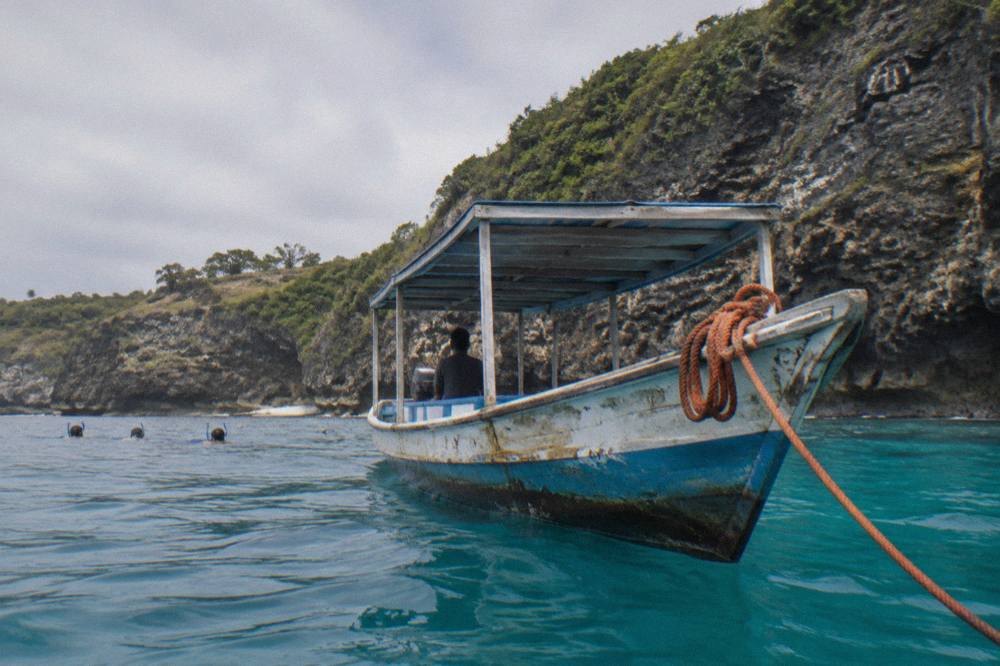
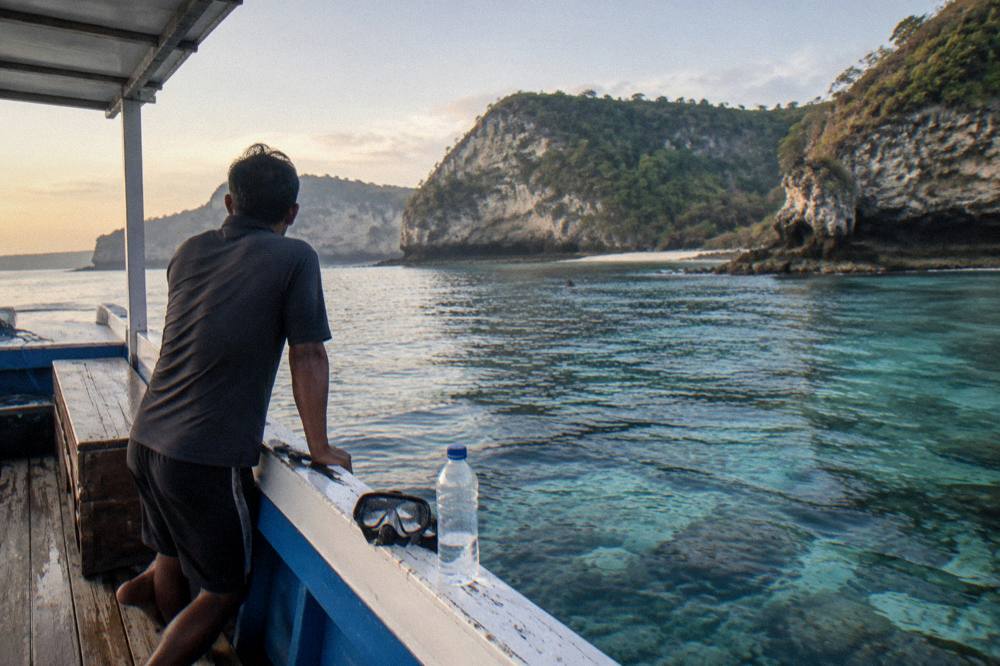
The practical geography matters for planning. Most tours leave from Sanur on Bali by fast boat, land at Nusa Penida, then transfer to a small snorkeling boat out of Toyapakeh or a nearby beach. That means a manta morning is really three legs: the crossing, the island transfer, and the snorkel run itself. Tours that bundle all three, like the combined manta and island tours described below, remove the parts that go wrong when travellers self-assemble the trip. Comparing what each operator actually includes across all three legs is easier with the full rundown of Nusa Penida tour packages and combo trips, which lays out the options side by side.
Manta Bay Or Manta Point: Which Site Should You Snorkel?
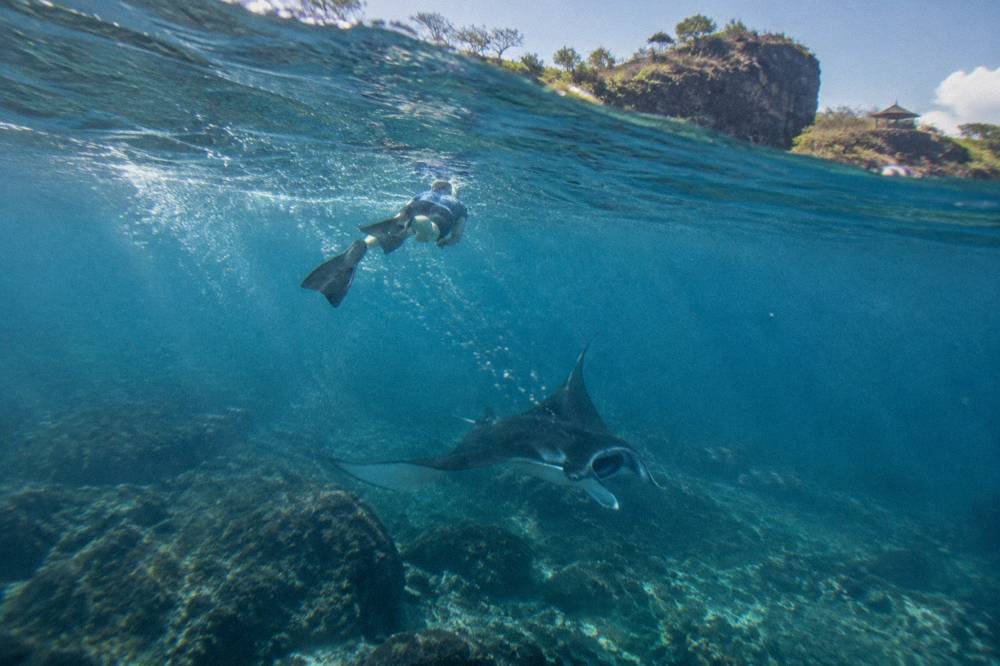
Manta Bay is the snorkeler's site: shallower water, gentler swell, and rays that feed near the surface in ways a floater can watch for an hour. Manta Point is deeper, more exposed, and better suited to divers and confident snorkelers on calm days, though its cleaning stations hold more mantas when conditions allow. Most booked tours target Manta Bay first and treat Manta Point as the swell-dependent alternative, which is the right order for a first-timer.
The split is well documented in local operator writing, and the trade-off is straightforward. Manta Bay's sheltered bowl means the water is calmer, entry is easier, and the rays often feed in the top few metres, so a snorkeler with no freediving skill still gets long looks. The cost is numbers: the operator-reported sighting rate of 60 to 85 percent is lower than Manta Point's, and in the June and July swell it can dip toward the bottom of that range.
| Feature | Manta Bay | Manta Point |
|---|---|---|
| Depth | Shallow, snorkel-friendly | Deeper, cleaning stations below |
| Shelter | Sheltered bowl, gentler swell | Exposed to open-ocean swell |
| Who it suits | Snorkelers, beginners, families | Divers, confident snorkelers |
| Operator-reported sighting rate | 60 to 85 percent | 85 to 95 percent |
| Typical visibility | 5 to 12 m in wet season, better when calm | 15 to 30 m in dry season |
| Access | Shorter boat run from Toyapakeh | Longer run, cancelled more often in swell |
Manta Point's stations hold more rays because the cleaning service is better there, and divers get the best of it. For a snorkeler the calculus flips: a site you can actually reach and float in beats a better site that the skipper turns back from. When the dry season flattens the sea, April to October, the better operators run Manta Point with snorkelers aboard and everyone wins. In the wet season, November to March, Manta Bay is the reliable choice and operators say so plainly.
The one thing both sites share is the code of conduct, which we cover below, because the difference between a good manta encounter and a ruined one is nearly always swimmer behaviour rather than ray behaviour. If you are weighing this trip against other ways to spend a day on the water, the Nusa Penida snorkeling tours guide compares the full spread of reef sites, and the question of where the best place to snorkel with manta rays is worth reading before you commit to a date.
For choosing among the bookable options, these three cover the range most travellers want: a full combined manta-and-land day, a budget shared trip, and a private boat for a family or small group.
What Do The Manta Tours On This Roster Actually Include?
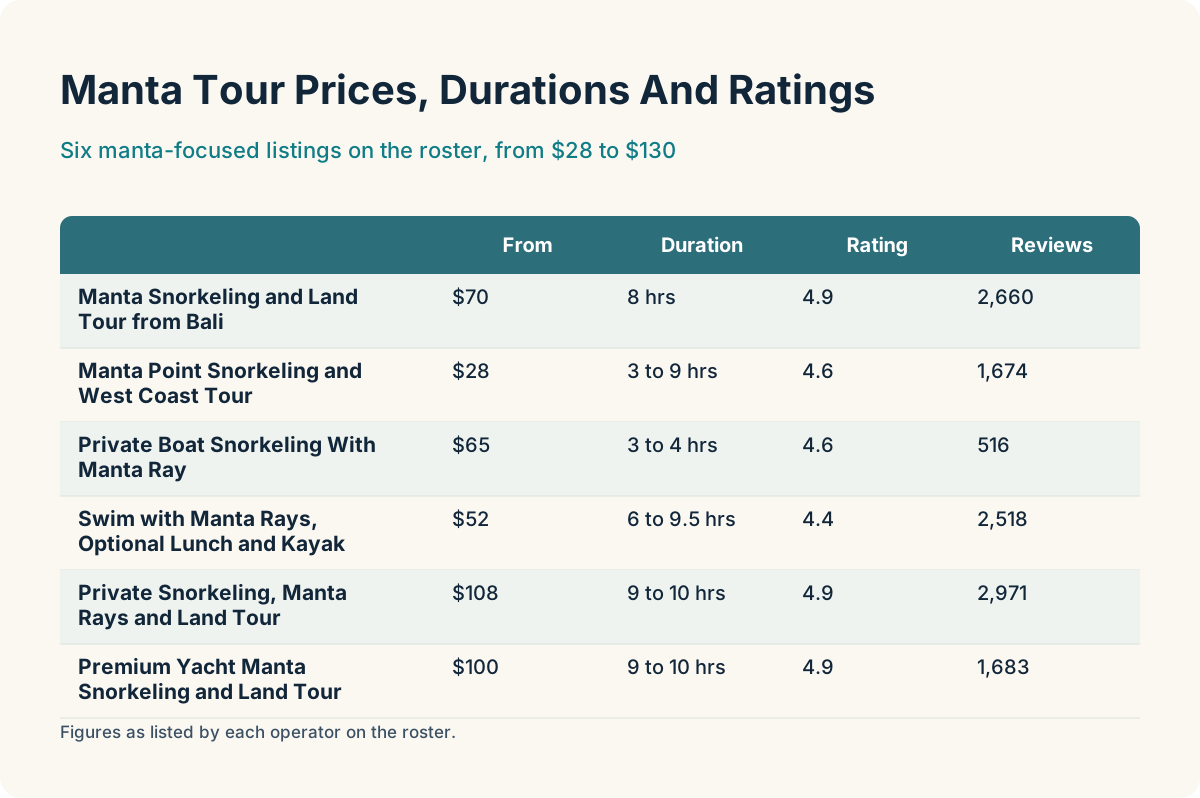
The six manta-focused listings on this roster run from $28 to $130, and the spread is mostly about boat exclusivity and bundling. The cheapest shared trips cover the snorkel run only, mid-range tours add the fast boat from Bali and lunch, and the top of the range buys a private boat or a yacht with all fees included. Every listing carries free cancellation.
The flagship combined trip is the Nusa Penida Manta Snorkeling and Land Tour from Bali, run by Indo Compass Bali: 4.9 from 2,660 reviews, from $70, about 8 hours, and it includes the round-trip fast boat, full gear rental, lunch, and all marine park entry fees and attraction tickets. That last line matters more than it looks, because fee collection on Nusa Penida is in flux and a tour that states "all fees included" removes a whole category of dockside surprises. If that bundle matches your dates, you can Check availability on the operator's live listing.
| Tour | Operator | From | Rating | Reviews | Duration |
|---|---|---|---|---|---|
| Manta Snorkeling and Land Tour from Bali | Indo Compass Bali | $70 | 4.9 | 2,660 | 8 hrs |
| Manta Point Snorkeling and West Coast Tour | CV Wonderland Manta Penida | $28 | 4.6 | 1,674 | 3 to 9 hrs |
| Private Boat Snorkeling With Manta Ray | Nice Trip Nusa Penida | $65 | 4.6 | 516 | 3 to 4 hrs |
| Swim with Manta Rays, Optional Lunch and Kayak | Lembongan Water Sport | $52 | 4.4 | 2,518 | 6 to 9.5 hrs |
| Private Snorkeling, Manta Rays and Land Tour | Indo Compass | $108 | 4.9 | 2,971 | 9 to 10 hrs |
| Premium Yacht Manta Snorkeling and Land Tour | Golden Horizon | $100 | 4.9 | 1,683 | 9 to 10 hrs |
The budget end is the Manta Point Snorkeling and West Coast Tour from CV Wonderland Manta Penida, from $28 with a 4.6 rating from 1,674 reviews, which includes the snorkeling boat, guide, gear and even a GoPro camera, but no food. It starts on Nusa Penida itself, so it suits travellers already on the island or arriving independently on the fast boat.
The private-boat option from Nice Trip Nusa Penida, from $65 per person with 4.6 from 516 reviews, runs 3 to 4 hours with a dedicated boat, guided snorkeling, gear, towels, and underwater photos and videos on a GoPro included. For a couple or a family that wants the water to themselves and a shorter day, it is the cleanest fit on the roster.
Between the shared and private ends of that spectrum, the combined from-Bali day remains the pick for most first-time visitors, because it solves the crossing, the island transfer and the fees in one transaction. The box below goes straight to it.
Two listings sit further along the same spectrum. The premium yacht trip from Golden Horizon, from $100 with 4.9 from 1,683 reviews, swaps the open speedboat for a yacht with unlimited water, fresh fruit, a beachfront lunch and an island tour after the snorkel. And the fully private Indo Compass day, from $108 per person with 4.9 from 2,971 reviews, adds a private fast boat, lunch and GoPro footage to a 9 to 10 hour itinerary. One caution on review pools: the roster's Penida and Lembongan island tour carries 4.8 from only 25 reviews, a small pool, so treat small-sample ratings as a signal to read the recent reviews rather than a settled verdict.
When Is The Best Time To Snorkel With Manta Rays?
April to October is the calm window: dry-season seas run 15 to 30 m visibility, the south coast swell eases, and boats reach Manta Point more often. November to March brings rougher seas and 5 to 12 m visibility at the exposed sites, but the mantas stay, feeding on the extra plankton, and Manta Bay remains workable on most days. There is no month with no mantas, only months with more cancelled boats.
The monthly pattern that local operators describe is consistent: January to March are rough with fair sighting odds, April to June and September to October are the sweet spots, July and August are busy but good, and November and December sit in between with good-to-fair odds. Sea temperature runs 26 to 29 degrees across the year, coolest in August, so no wetsuit is needed for a snorkel though many operators hand you a shorty anyway for float time.
Rainfall tells the same story from the land side. Nusa Penida averages 288 mm of rain across 20 wet days in January, against 35 mm across one wet day in August. The rains matter less for the snorkeling itself than for the boat schedules: rough December-to-March crossings mean more cancellations on the Sanur run as well as at the manta sites, so wet-season travellers should build a spare day into a Bali itinerary rather than a hard deadline. The Nusa Penida weather and best time to go guide carries the full month-by-month breakdown.
One seasonal bonus deserves a mention: the mola mola, or ocean sunfish, which divers encounter at Crystal Bay and nearby sites from July to October, peaking August and September. Some combined tours pass Crystal Bay on the same run, so an in-season day can plausibly deliver mantas from the surface and a sunfish story from the boat. The Crystal Bay guide covers that site's own conditions, which are sheltered and calmest April to September.
What Are The Rules For Snorkeling With Manta Rays?
The protected-area code is short and non-negotiable: stay at least 3 m from every ray, never touch, chase or block a manta's path, no flash photography, keep movements slow, and stay outside the cleaning stations. Tour groups are supervised by guides, and the rules exist because stressed mantas abandon sites. Following them is how the swim you had keeps existing for the next person.
The waters around Nusa Penida sit inside a marine protected area of roughly 20,000 hectares, established in the 2010s, and the code of conduct that operators brief you on comes from that framework. The 3 m distance rule sounds generous until a four-metre ray glides directly at you; the correct response is to float still and let it pass, which it will, closer than the rule, on its own terms. A manta that chooses to approach you has not broken the rule, but a swimmer that reaches out has. Other pages covering the same trip are gathered on Nusa Penida Tours.
| Rule | What it means in the water |
|---|---|
| 3 m minimum distance | Never swim toward a ray; hold position and let it pass |
| No touching | Even incidental contact harms the manta's protective mucus layer |
| No chasing or blocking | Never cut off a ray's path or follow it across the bay |
| No flash photography | Flash disturbs feeding and cleaning behaviour |
| Stay off cleaning stations | Watch from outside; the wrasse must finish their work |
| Guide supervision | Stay with your group; guides read ray behaviour |
The baliaqua.com code of conduct page sets out the same points in detail for anyone who wants the full version before booking. The honest framing is this: the rules are why the sighting rates above exist at all. Sites where swimmers routinely grab and chase see their mantas leave, and Nusa Penida's operators know it, which is why the briefing on the boat is genuinely serious rather than ceremonial.
For beginners worried about the water itself, the reassurance is structural: you wear a life jacket or wetsuit, you float, and the mantas come up to the surface to feed, so no freediving skill is required at Manta Bay. The question is it safe to snorkel with manta rays gets the fuller treatment, including the honest answer that reef mantas are filter feeders with no stinging barb and no interest in swimmers. If you want the full picture on currents, the three metre rule, and how guides handle weaker swimmers, read the detailed safety guide to snorkeling with manta rays.
How Reliable Are Manta Sightings Really?
Operator logs report 85 to 95 percent success at Manta Point and 60 to 85 percent at Manta Bay, and those figures are exactly as strong as their label: they are operator-reported, not independently audited, and no tour guarantees a sighting. The honest planning assumption is that a calm-season morning very likely produces mantas, while a swell-season afternoon might not.
The year-round presence is the solid part of the claim. Reef mantas here do not migrate because their food and cleaning services do not move, so there is no month when the water is empty of them. What the percentages measure is whether a boat finds them on a given session, which depends on swell, plankton, and how many other boats got there first.
Wet-season plankton blooms actually improve feeding behaviour at Manta Bay, rays gulping at the surface in plain sight, even as visibility drops to 5 to 12 m. Dry season trades that drama for clarity, 15 to 30 m on a good day, when you watch a ray materialise out of the blue rather than loom out of the murk. Neither is a guarantee; both are worth the swim.
The practical protection for travellers is the free-cancellation line that every manta listing on this roster carries. Book ahead, watch the forecast, and if the swell forecast turns ugly before your penalty-free window closes, move the date. Operators themselves cancel or reroute in bad conditions, and a tour that switches you to a calm reef site with turtles and coral on a no-manta morning is giving you the honest version of the deal.
What Does A Manta Snorkeling Trip Cost From Bali?
From Bali, bookable manta days run from $28 to $130: $28 to $70 buys a shared trip with gear and guide, $70 to $100 adds the fast boat, lunch and fees, and $100 to $130 buys private boat or yacht versions. On top of the tour price, budget two official levies, the Bali foreign tourist levy of IDR 150,000 per trip and the Nusa Penida island retribution of IDR 25,000 per adult.
The two levies are separate and both real. The Bali levy is paid online before travel at the official Love Bali portal, which issues a QR voucher. The island retribution is paid through the official retribution portal, IDR 25,000 per adult and IDR 15,000 per child aged 4 to 13, scanned at the harbour, with one voucher covering Kelingking, Broken Beach and Angel's Billabong the same day. A tour listing that says "all fees included" should cover the attraction entries; the levies are a separate question worth confirming before you pay.
| Cost item | Typical figure | Notes |
|---|---|---|
| Shared manta tour (island start) | From $28 | Gear and guide included, no food |
| Combined manta and land day from Bali | From $70 | Boat, lunch, fees included |
| Private boat manta snorkel | From $65 | 3 to 4 hours, photos included |
| Premium yacht day | From $100 to $130 | Lunch, island tour, soft drinks |
| Bali foreign tourist levy | IDR 150,000 | Once per trip, online, all foreign tourists |
| Nusa Penida island retribution | IDR 25,000 adult | Child 4 to 13 IDR 15,000, infants free |
| Sanur fast boat, one way | IDR 150,000 to 250,000 | If not bundled in the tour |
The value logic is simple: a tour that bundles the fast boat, island transfer, snorkel boat, gear and fees removes four separate transactions, each of which has a queue. The all-inclusive private day trip from Rukmana Bali Tour, 4.8 from 3,705 reviews and from $94.09, is the land-tour equivalent of that logic, while the manta-specific combined days listed above do the same for the water. The how much does a Nusa Penida tour cost breakdown covers the non-manta alternatives.
For travellers already on the island, the arithmetic shifts: the $28 shared trip plus an independent fast boat often beats a from-Bali package, provided you enjoy logistics. For everyone else, bundled wins on both price and stress, and the free-cancellation terms on every listing mean locking a date early costs nothing but a refundable deposit.
The Lembongan Water Sport trip that tile links to, from $52 with 4.4 from 2,518 reviews, is the roster's flexible middle option: 6 to 9.5 hours, manta snorkeling with optional lunch and kayak add-ons, and pickup from the main south Bali resort areas if you select it. It suits travellers who want the manta swim as the centrepiece but not necessarily as the whole day.
Is Snorkeling With Mantas Safe For Beginners?
Yes, at Manta Bay, with a guide and a life jacket, on a calm day: the site is shallow enough that floating is all the skill required, reef mantas are harmless filter feeders, and the supervision rules mean a guide is beside you in the water. The genuine risks are the sea, not the rays: swell, currents at the headlands, and boats, which is why operators cancel rather than push conditions.
Reef manta rays have no barb, no sting and no aggression toward swimmers; their tail is a whip, not a weapon, and their mouth is a filter for plankton. The behaviour that looks dramatic, a ray rolling at the surface, is feeding, and a still snorkeler watching it is in no danger from it. Injury on manta trips comes from the environment: sea state, sunburn, and occasionally a boat propeller, which is why the group stays together and why the skipper counts heads.
Beginner-specific advice is unglamorous. Wear the life jacket even if you swim well, because an hour of floating tires anyone. Take seasickness tablets before the crossing, not after. Use the boat's reef-safe sunscreen and reapply at the rest stop. And book the sheltered site, Manta Bay, for a first manta swim rather than gambling on Manta Point, a choice any operator will make for you if you tell them it is your first time.
Confident swimmers and certified divers have a second tier of options. The three-dive package from Bali Legends Dive Center, 4.8 from a small pool of 31 reviews, from $248, puts divers on Manta Point's stations properly, and the Nusa Penida diving guide maps the full dive side of the island, from mola season to the drift at Ped. Non-certified beginners can try scuba with mantas through the Sanctum Dive intro day, from $114.53, 4.7 from 40 reviews, another small pool to read past.
Common Questions About Manta Point Snorkeling
Are manta rays in Nusa Penida all year?
Yes. Reef mantas stay at the cleaning stations and plankton beds off Nusa Penida year-round, with no migration season, so trips run every month. What changes is sea state: dry season April to October is calmer with better visibility, while November to March brings swell and more cancellations at the exposed sites.
Is Manta Point or Manta Bay better for snorkeling?
Manta Bay is better for most snorkelers: shallower, sheltered, and easier to float in, with rays feeding near the surface. Manta Point holds more mantas at its cleaning stations but is deeper and more exposed, so it suits divers and calm-season snorkelers. Most tours target Manta Bay first.
Can you touch a manta ray when snorkeling?
No. The protected-area code requires at least 3 m of distance and no touching, chasing, blocking or flash photography. Touching damages the ray's protective mucus layer and repeated disturbance drives mantas away from the sites. Float still and let the ray decide how close to come.
How close do manta tours get you to the rays?
Often within a few metres, on the ray's terms. Mantas frequently approach stationary snorkelers at the surface while feeding, sometimes closer than the 3 m rule, and the correct response is to hold still and let them pass. The distance rule binds swimmers, not the rays.
What happens if you do not see a manta?
No tour guarantees a sighting, and operator-reported success rates run 60 to 85 percent at Manta Bay and 85 to 95 percent at Manta Point. Operators reroute to other reef sites with turtles and coral on quiet days, and every listing on this roster carries free cancellation, so you can move your date if the forecast turns.
Do you need to be a strong swimmer to snorkel with mantas?
No. At Manta Bay you wear a life jacket or wetsuit and float at the surface while the mantas feed around you, and guides supervise every group in the water. Take seasickness tablets before the boat ride, tell the operator it is your first time, and pick a calm-season date.
The short version of all of this: pick Manta Bay for a first swim, book a tour that bundles the boat and the fees, go between April and October if your dates allow, and treat the sighting percentages as a strong promise from the sea rather than a contract. The rays are there every month. The rest is logistics, and the listings above have already solved most of that for you.