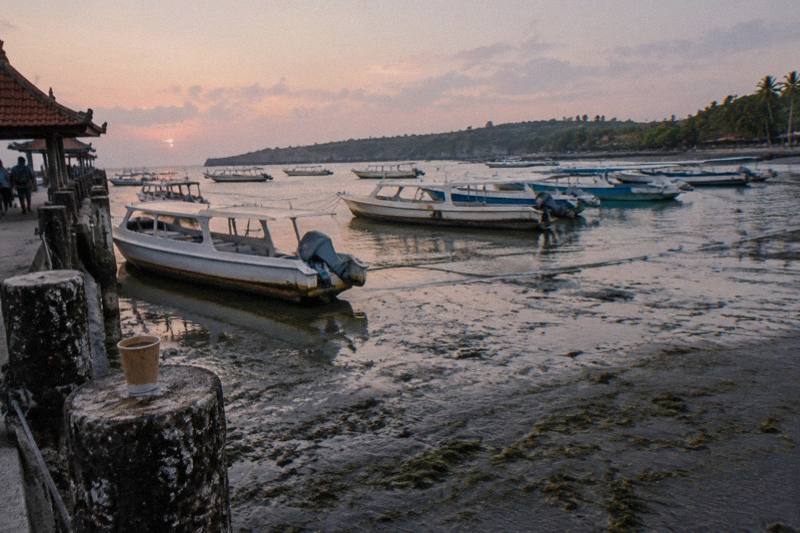
Nusa Penida Snorkeling Tours
Nusa Penida snorkeling comes in more shapes than the listing pages suggest: shared manta boats, private snorkel charters, yacht day trips and land tours that bolt a swim onto a cliff circuit. This guide compares them on the numbers that matter, price, hours in the water and who each one actually suits.
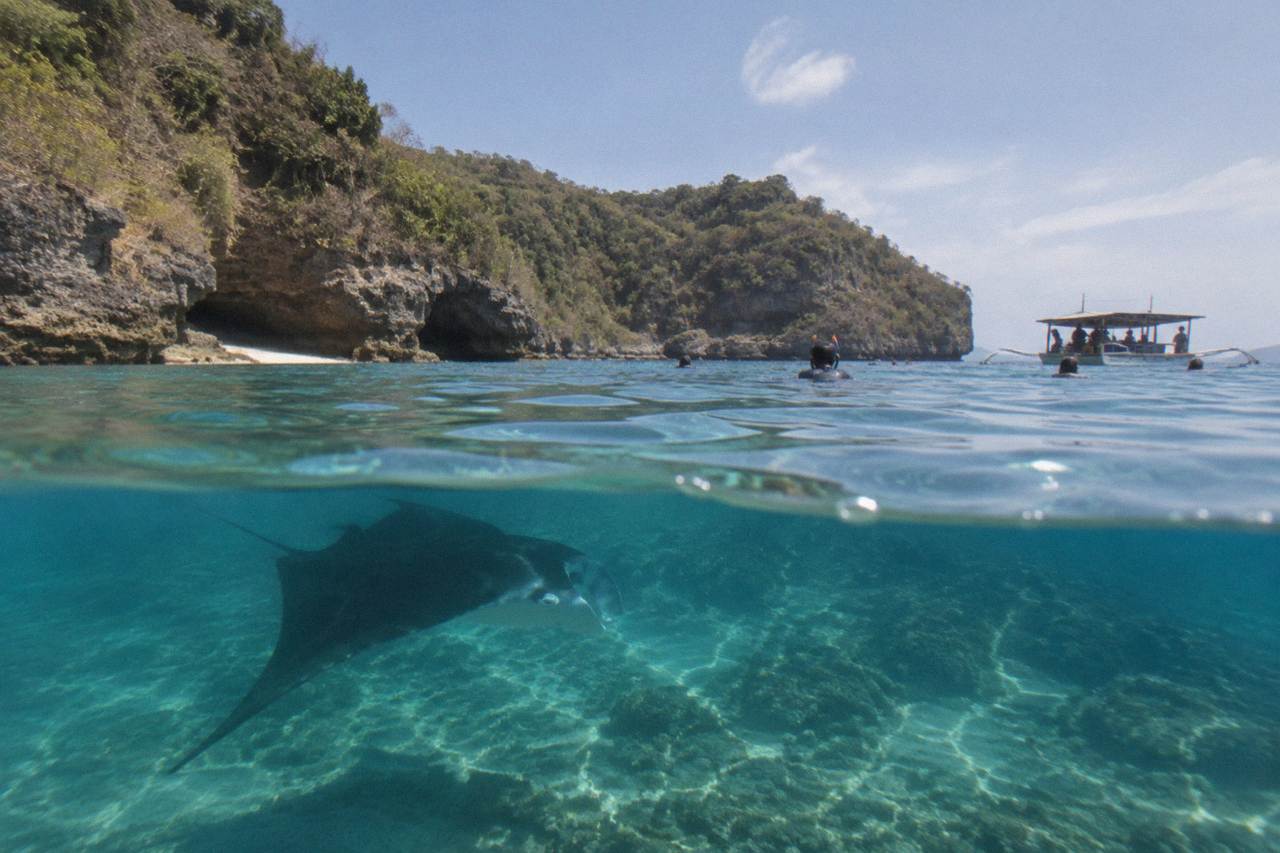
Short answer
The best-value manta snorkel with a land tour is the INDO COMPASS trip at from $70, rated 4.9 from 2,660 reviews, 8 hours, gear, lunch and all entry fees included. The cheapest manta option is the West Coast tour from $28, 4.6 from 1,674 reviews. Private boats run from $65 per person.
Nusa Penida sits in a stretch of the Badung Strait where cold, nutrient-rich water wells up over cleaning stations and shallow reefs, and that is the entire reason the snorkeling here punches above its weight. Reef mantas work those stations year round, turtles graze the seagrass at Gamat Bay, and from July to October the sunfish that most divers chase across Indonesia show up at Crystal Bay. The island has no beaches you can casually swim off most of the year, so almost everyone experiences the water through a tour, and the tour you pick changes the day more than the weather does. If you'd rather balance the boat days with time on land, our guide to free things to do in Nusa Penida covers the viewpoints and beaches that cost nothing at all.
The choice is genuinely wide. On this site alone the snorkel-focused roster runs from a $28 shared manta and west coast trip to a $130 private three-site charter, with yachts, kayaks and even beginner scuba in between. The differences are not just price: hours in the water range from under one to around three, some trips feed you and some do not, and a few are built for people who cannot swim strongly. This guide compares them on verified listing data, site conditions from local operator reporting, and the practical questions, weak swimmers, kids, cameras, that decide the booking.
What Are The Main Types Of Nusa Penida Snorkeling Tour?
There are five distinct formats on the roster: shared manta snorkel trips with a land tour, private snorkel boats, premium yacht day trips, multi-point snorkel circuits that add Crystal Bay and Gamat Bay, and diving products for certified or beginner divers. Prices run from $28 to $130 for snorkeling and $114.53 to $248 for scuba. Every one of them offers free cancellation on the listing.
The shared manta-and-land format is the most common booking, and it is what most people picture: a fast boat from Sanur, a snorkel session at Manta Bay or Manta Point, then a car circuit of Kelingking, Broken Beach and Angel's Billabong. The manta snorkeling and land tour from Bali run by INDO COMPASS BALI is the strongest example: from $70, rated 4.9 from 2,660 reviews, about 8 hours, with round-trip fast boat transfers, full gear rental, lunch and all marine park entry fees and attraction tickets in the price.
Private boats flip the equation. You get the vessel to yourself, a guide in the water with you, and on some listings a GoPro shooting photos and video the whole time. The private boat snorkeling tour with manta rays, from $65 per person with a 4.6 rating from 516 reviews, runs just 3 to 4 hours because it skips the land circuit entirely: harbor, boat, mantas, back. That short format suits anyone staying on the island rather than day-tripping from Bali.
Yacht trips are the comfort tier. The premium yacht manta snorkeling and land tour from Golden Horizon, from $100 per person and rated 4.9 from 1,683 reviews, puts a small group on a proper yacht with unlimited drinking water, fresh fruit, premium snorkel gear, a beachfront lunch and island guides for the land section. Bluuu Tours runs a competing premium day from $73.87, rated 4.9 from 10,655 reviews, which is the largest review pool on the entire roster. Both remain snorkeling trips at heart: the money buys the platform, not a different reef.
Finally there are the circuits and the crossover products. The 3-point trip from Bali Tour Organizer, from $54.93 and rated 4.3 from 435 reviews, strings Manta Bay, Crystal Bay and Gamat Bay into one ten-and-a-half-hour day with lunch and hotel transfer from most of south Bali. And for anyone who has snorkeled enough to want to breathe underwater, the try-scuba session with mantas for non-certified divers, from $114.53 per person, rated 4.7 from a small pool of 40 reviews, is a four-hour beginner dive rather than a snorkel, with lunch and snacks included.
Which Manta Snorkeling Tour Is Best For The Money?
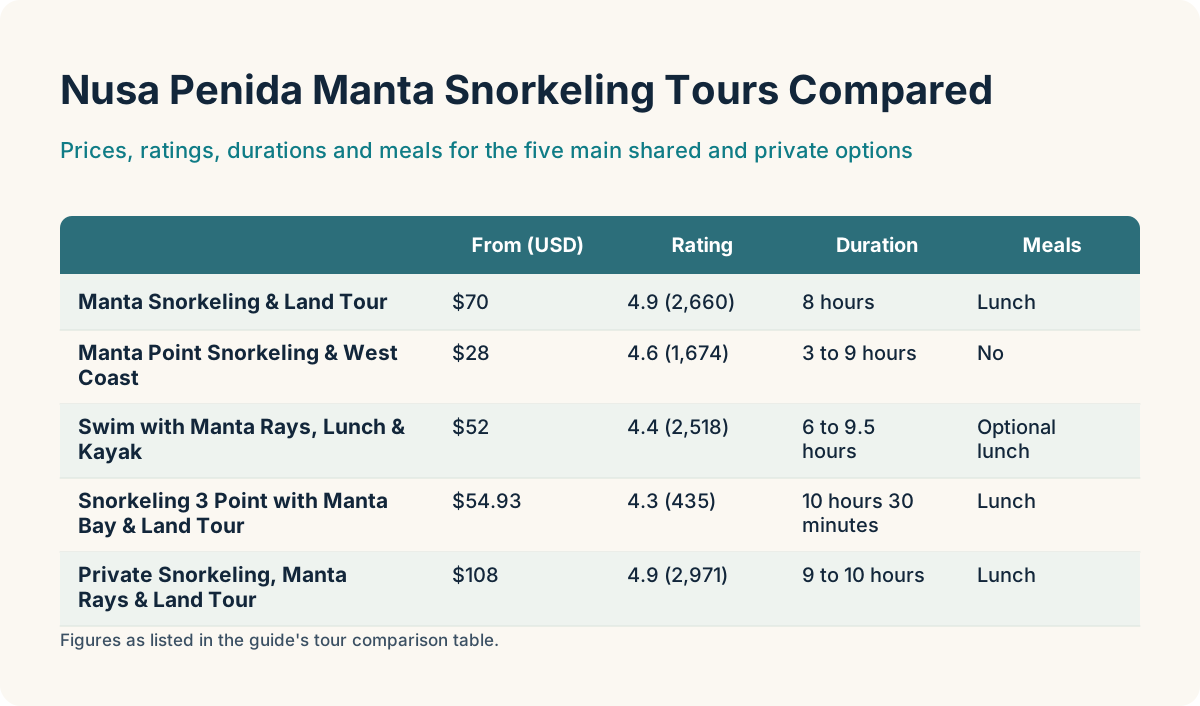
The INDO COMPASS manta snorkeling and land tour is the strongest all-round buy: from $70, rated 4.9 from 2,660 reviews, about 8 hours, with boat transfers, gear, lunch and every fee included. The cheapest way into the water with mantas is the CV Wonderland West Coast tour at from $28, 4.6 from 1,674 reviews, though it runs 3 to 9 hours depending on the option and food is not included.
Between those two poles sit most of the decisions people actually agonize over. The comparison below uses only verified listing figures.
| Tour | Operator | From (USD) | Rating (reviews) | Duration | Meals | Gear included |
|---|---|---|---|---|---|---|
| Manta Snorkeling & Land Tour | INDO COMPASS BALI | $70 | 4.9 (2,660) | 8 hours | Lunch | Full gear |
| Manta Point Snorkeling & West Coast | CV Wonderland Manta Penida | $28 | 4.6 (1,674) | 3 to 9 hours | No | Snorkel gear, fins, life jacket |
| Swim with Manta Rays, Lunch & Kayak | Lembongan Water Sport | $52 | 4.4 (2,518) | 6 to 9.5 hours | Optional lunch | Snorkeling gear |
| Snorkeling 3 Point with Manta Bay & Land Tour | Bali Tour Organizer | $54.93 | 4.3 (435) | 10 hours 30 minutes | Lunch | Gear and life jacket |
| Private Snorkeling, Manta Rays & Land Tour | Indo Compass | $108 | 4.9 (2,971) | 9 to 10 hours | Lunch | Gear, GoPro photos |
Read the duration column carefully, because it hides the biggest practical difference. The West Coast tour's 3 to 9 hour span is not sloppiness on the listing, it reflects genuinely different options: a short shared snorkel run versus the full island day. The 3-point trip at 10 hours 30 minutes is the longest day on the roster, and anyone booking it should plan for an early hotel pickup and a late return.
What the price buys also varies more than the numbers suggest. The $70 INDO COMPASS trip includes every entry fee and lunch, so the sticker is close to the real cost. The $28 West Coast tour excludes food and drinks, and the listing notes that an island retribution of IDR 25,000 per person applies on arrival, the official Klungkung Regency fee that every visitor pays at the harbour regardless of tour. For a fuller breakdown of that fee and the separate Bali tourist levy, see the guide to the Nusa Penida entrance fee and Bali tourist levy.
One honest note on ratings: the 4.3 from 435 reviews on the 3-point trip is a solid score from a decent pool, not a red flag. But the two 40-review products on the diving side are small pools, and a 4.7 from 40 reviews should be read as exactly that, a good score from forty people, not a proven track record of thousands.
Is A Private Boat Or A Yacht Worth The Extra Cost?
A private boat is worth it for photographers, nervous swimmers and anyone who wants to control the schedule: the Nice Trip private charter runs from $65 per person, 4.6 from 516 reviews, 3 to 4 hours, with a supervised snorkel and GoPro photos included. A yacht is worth it for comfort and lunch, not for better mantas, since every vessel visits the same waters.
The private boat case rests on one word: supervision. The listing for the Nice Trip charter explicitly includes guided and supervised snorkeling, equipment, towel, mineral water and underwater photos and videos on a GoPro, with pickup and drop-off depending on the option selected. Nobody else is sharing your guide's attention, and if you want ten more minutes in the water because a manta is circling the cleaning station, the boat waits for you. That is the thing shared trips cannot offer.
The premium tier splits into two flavours. Golden Horizon's yacht trip, from $100 per person, includes a beachfront lunch, fruit, cold soft drinks and experienced local guides for the island tour, so it functions as a full day out. The private snorkeling charter from Indo Compass at from $108 per person, rated 4.9 from 2,971 reviews, is a different animal: private fast boat, private guide, GoPro footage, lunch and towels, aimed squarely at people for whom the photos are the point. And the Bali Golden Tour private trip covering Manta Bay, Gamat and Wall, from $130 with a 4.9 rating from 270 reviews, is the ceiling: private car, private boat, instructor and all fees and taxes.
None of these premium products guarantee a manta, and no listing on this roster claims one. Operator logs report sighting success of roughly 85 to 95 percent at Manta Point and 60 to 85 percent at Manta Bay, and those are good odds, but the animals are wild and the sea decides. What the premium price reliably buys is a better boat, fewer strangers, and a guide whose only job is your group.
Crystal Bay, Gamat Bay Or Manta Bay: Where Is The Water Best?
Manta Bay is the manta site: shallow, sheltered and snorkel-friendly, with mantas at cleaning stations visible from the surface. Crystal Bay offers the clearest water, 20 to 30 m visibility when calm, plus turtles, coral and a chance of mola mola from July to October. Gamat Bay is the quiet one, sheltered, mild currents and healthier coral, suitable year round and far less crowded.
The three sites sit on different sides of the island and behave differently, which is why the 3-point tours exist at all. Local operator reporting is consistent on the broad picture: Crystal Bay is a sheltered bay with mild to moderate currents and its calmest stretch from April to September; Gamat Bay is similarly protected, quieter than Crystal Bay, with good visibility and turtles over seagrass; Manta Bay is shallower than the better-known Manta Point, which is why snorkelers are taken there while divers head to the deeper site. For a deeper look at the two manta locations, see where is the best place to snorkel with manta rays.
| Site | Exposure | Typical visibility | Signature | Best months | Snorkel-friendly |
|---|---|---|---|---|---|
| Manta Bay | Sheltered, shallow | Variable | Reef mantas at cleaning stations | Year round, dips in swell | Yes, primary snorkel site |
| Manta Point | More exposed, deeper | Variable | Mantas, plankton feeding | April to October optimal | Snorkel possible, divers' site |
| Crystal Bay | Sheltered bay | 20 to 30 m | Coral, turtles, mola mola | April to September; mola July to October | Yes, calmest water |
| Gamat Bay | Sheltered | 10 to 20 m and up | Coral, turtles, seagrass | Year round | Yes, quietest |
The mola mola window deserves its own sentence because it is the one genuinely seasonal wildlife event here: sunfish appear at Crystal Bay from July to October, peaking August to September, and that is when dive boats stack up over the bay. Snorkelers can sometimes see them from the surface on calm days, though the sightings are deeper and less reliable than the mantas, which are present all twelve months.
Water temperature runs 22 to 29 degrees Celsius across the year, and the cooler end of that range surprises people: dry-season thermoclines can make a long snorkel genuinely cold, which is one more argument for the trips that hand you a towel at the end. The detailed month-by-month picture, including rainfall and sea temperature averages, is in the Nusa Penida weather and best time to go guide.
How Many Hours Do You Actually Spend In The Water?
Realistically, one to two hours of snorkeling on shared land tours, two to three on private charters. The private Nice Trip boat dedicates its entire 3 to 4 hours to the water; the ten-and-a-half-hour 3-point tour spreads three sites across a long day; the 8-hour land tours typically give you one manta session of 45 minutes to an hour plus a shorter second stop.
This is the number listings understate and reviewers mention most. A tour advertised at 8 to 10 hours includes the Sanur crossing, harbor transfers, the land circuit and lunch; the mask-on time is a fraction of it. Nobody is cheating you, that is simply the physics of a day trip from Bali. But if the snorkeling is the reason you are booking, the format that maximizes water time per hour of holiday is the short private charter, and the format that maximizes it per dollar is the multi-point circuit.
| Format | Total day | Approx. water time | Non-water time goes to |
|---|---|---|---|
| Private boat (Nice Trip) | 3 to 4 hours | 2 to 3 hours | Harbor transfers only |
| Manta + land tour (INDO COMPASS) | 8 hours | 1 to 1.5 hours | Crossing, land circuit, lunch |
| 3-point + land (Bali Tour Organizer) | 10 hours 30 minutes | 2 to 3 hours across 3 sites | Crossing, three-site driving, lunch |
| Yacht + land (Golden Horizon) | 9 to 10 hours | 1 to 2 hours | Yacht transit, beachfront lunch, land tour |
| West Coast tour (CV Wonderland) | 3 to 9 hours by option | Varies by option | Land tour on the longer options |
The honest trade is this: land tours buy you Kelingking's cliff and Broken Beach's arch, which are two of the most photographed views in Indonesia, at the cost of hours you could have spent floating. Plenty of visitors happily make that trade on a first visit. People on a second or third trip, or staying overnight on the island, almost always wish they had gone snorkel-heavy instead. The overnight option is worth knowing about too: the 2-day trip with accommodation and meals, from $102 per person and rated 4.9 from a small pool of 34 reviews, splits the two halves across two days.
Weak Swimmers, Families And Photographers: Which Trip Fits?
Weak swimmers should book supervised private trips or the INDO COMPASS land tour, whose listing includes full gear and a professional guide in the water. Families do best on the 3-point tour or the yacht, both of which include lunch and shorter, sheltered stops. Photographers should take the private charters, which include GoPro footage, or the premium yacht, which includes complimentary underwater photos.
Life jackets are the non-negotiable, and every snorkel listing on this roster includes them in the gear set. The differences are in supervision and site choice. Manta Bay is shallow enough that a confident floater in a life jacket can hold position over the cleaning stations, and guides on the supervised trips stay in the water with the group. The exposed Manta Point is a different proposition in swell, and operators reroute or cancel when it kicks up, which is a safety decision, not a service failure. If the whole question of being in the water with large animals makes you nervous, read is it safe to snorkel with manta rays for the rules in full.
Families should weigh two things the listings state plainly. The 3-point trip includes lunch and hotel transfer from Nusa Dua, Jimbaran, Kuta, Canggu, Sanur and Ubud, but charges extra for pickups in Uluwatu and a few outlying areas, so check your hotel zone before booking. The kayak-and-manta combination from Lembongan Water Sport, from $52 and rated 4.4 from 2,518 reviews, adds a sit-on-top kayak option that suits teenagers who tire of snorkeling quickly, and its lunch is optional rather than included. The rest of the planning pages sit on Nusa Penida Tours.
Photographers get the best deal on the private charters, and the listings say so explicitly. The Nice Trip private boat includes underwater photos and videos using a GoPro camera; the Indo Compass private snorkel trip includes the same; the Bluuu premium day includes complimentary GoPro underwater photos and videos. On shared budget trips, the GoPro is often available for purchase as an add-on, and the Lembongan listing states that underwater photo and video results are sold separately, so budget for it or bring your own rig.
What Are The Rules For Snorkeling With Mantas On Nusa Penida?
Stay at least 3 m from the animals, never touch, chase or block their path, no flash photography, and stay outside the cleaning stations. The Nusa Penida marine protected area, about 20,000 hectares established around 2010, requires guide supervision on tours and observation-only behaviour. These rules protect a resident population that does not migrate, so habituation is permanent damage.
The code of conduct is not tour-operator politeness, it is the management framework for the protected area, and responsible operators brief it on the boat. The manta ray code of conduct as published by local dive operators is the clearest single summary: calm, slow movements in the water, no attempt to intercept an animal's line of travel, and no crowding. A manta that is harassed at a cleaning station abandons it, and since these mantas rely on those stations year round, a spoiled site stays spoiled.
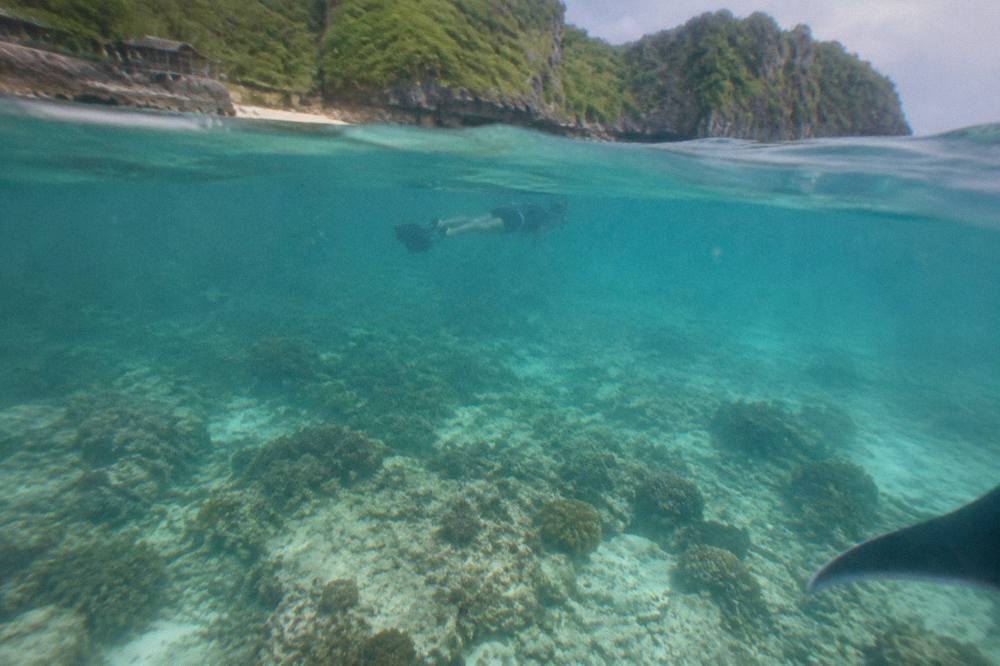
Practical version for a day on the water: let the guide position you before you enter, enter quietly rather than jumping, keep your fins off the coral, and if a manta approaches you, hold still and let it pass rather than swimming at it. The animals are curious and frequently come close on their own, which is exactly why chasing them is both pointless and prohibited.
Drones deserve a mention here too. Restrictions apply near temples and wildlife, and a drone launched over a snorkel group at a cleaning station is a good way to end the session for everyone. If aerial footage matters to you, the yacht trips handle it better, with crew who know where it is and is not acceptable.
When Is The Best Season For Snorkeling On Nusa Penida?
April to October is the best window: calmer seas, 15 to 30 m visibility at the good sites and smoother Sanur crossings. November to March brings rougher swell, 5 to 12 m reported visibility and a higher chance that exposed Manta Point is cancelled, though mantas remain present and Manta Bay holds up better as the sheltered backup.
The mantas do not leave, which is the key fact. Sightings are year round because the cleaning stations and the plankton supply do not shut down; what changes is your comfort and the sea state. Local operator logs put success at 85 to 95 percent at Manta Point in the dry season, dipping toward 60 percent in the June to July swell, with Manta Bay holding 60 to 85 percent and peaking 90 to 95 percent from October to December. Those are operator-reported figures, not guarantees, and no listing promises a sighting.
The crossing matters as much as the snorkeling. The Sanur fast boat runs 25 to 60 minutes depending on conditions, and the rougher months produce both bumpy crossings and more cancellations on the exposed sites. If you are booking in the wet season, choose a tour with a sheltered-water plan, and read the fast boat to Nusa Penida guide for the schedule and fare picture.
| Period | Sea state | Visibility | Manta odds (operator-reported) | Notes |
|---|---|---|---|---|
| April to June | Calm | 15 to 30 m | High | Excellent all-round window |
| July to August | Moderate | Good | Dips toward 60% in swell | Peak crowds, mola season starts |
| September to October | Calm | 15 to 30 m | High | Mola mola peak at Crystal Bay |
| November to March | Rougher, 1 to 3 m swell | 5 to 12 m | Fair to good | Manta Bay preferred, more cancellations |
What Does A Nusa Penida Snorkeling Tour Actually Cost?
Snorkel tours on this roster run from $28 to $130 per person, with the popular manta-plus-land format clustered between $52 and $70. Diving runs higher, from $114.53 for a beginner try-scuba to $248 for three guided fun dives. The Bali tourist levy of IDR 150,000 per person and the island retribution of IDR 25,000 per adult are separate and paid by all foreign visitors.
The sticker price is rarely the whole price, and the listing inclusions are where the comparison gets real. Trips that bundle the fast boat ticket, gear, lunch and entry fees, the INDO COMPASS tour, the 3-point trip, both yacht days, land you close to the number printed. Trips that exclude food, the West Coast tour, or that sell GoPro footage separately, the Lembongan kayak trip, finish noticeably higher once you eat and shoot.
The two official levies sit outside every tour price. The Bali foreign tourist levy is IDR 150,000 per person once per trip, paid online at the official Love Bali portal or at airport and port counters, with a QR voucher issued. The Nusa Penida island retribution, set under Klungkung Regency Regulation No. 8 of 2023, is IDR 25,000 per adult, IDR 15,000 for children aged 4 to 13, and free for infants, paid online with the QR voucher scanned at the harbour; one voucher covers Kelingking, Broken Beach and Angel's Billabong the same day with no re-payment. The official details are on the retribution portal.
One caution on fees you may read elsewhere: per-attraction charges at individual beaches are not confirmed by the official portal, which states the single harbour voucher covers the main west-coast sites the same day. If a listing says entrance fees are included, as the INDO COMPASS and yacht trips do, that is the cleanest way to avoid the question entirely. The full fee picture, including what is verified and what is not, is in the Nusa Penida entrance fee and Bali tourist levy guide.
How Do You Choose Between A Snorkel Tour And A Diving Trip?
Choose snorkeling if you want mantas with minimal training and cost, from $28 on this roster; choose the try-scuba beginner dive, from $114.53 per person, if you want to descend among the mantas without a certification; choose the three-dive package, from $248, only if you are already certified. Snorkelers see the same mantas at Manta Bay, just from the surface.
The crossover point is Manta Point itself. Snorkel groups are usually taken to the shallower Manta Bay; divers go to the deeper cleaning stations where the big animals loop for hours. A snorkeler at Manta Bay on a good day sees mantas at two or three meters of depth, which is close enough that the extra certification, cost and gear of diving buys proximity, not a different experience.
The beginner product is honest about what it is: a four-hour session for non-certified divers with scuba equipment, coffee or tea, lunch and snacks included, meeting at the dive center on Nusa Penida rather than including transport. Its 4.7 rating comes from a small pool of 40 reviews, so treat it as a promising specialist operator rather than a mass-market product. The three-fun-dives package from Bali Legends Dive Center, 4.8 from 31 reviews, is for certified divers only and includes tanks, weights and hotel pickup from Sanur, Kuta, Seminyak and Jimbaran, with dive insurance recommended separately.
If diving is the goal rather than a one-off, the Nusa Penida diving guide covers the sites and certifications in full. If mantas from the surface will do, every product earlier in this guide gets you there.
What Should You Bring And Know Before The Boat Leaves?
Bring reef-safe sunscreen applied before boarding, a towel where the listing does not include one, cash for the retribution QR if not prepaid, and seasickness tablets for the Sanur crossing. Know your pickup window, since most tours leave between 06:00 and 08:00 from Bali hotels, and check whether your listing includes the fast boat ticket or expects you to buy it separately.
The pickup detail is the one that catches people. Some listings, like the INDO COMPASS trip, include the round-trip fast boat between Bali and Nusa Penida in the price; others, like the private Nice Trip charter, meet you on the island at Maruti Beach Club and expect you to arrive under your own steam. Booking the wrong one turns a seamless day into a scramble at Sanur. The crossing itself takes 25 to 60 minutes depending on the operator and the sea, with more than twenty departures daily across operators from early morning to about 17:00, so a missed boat is recoverable, but not on a tour schedule.
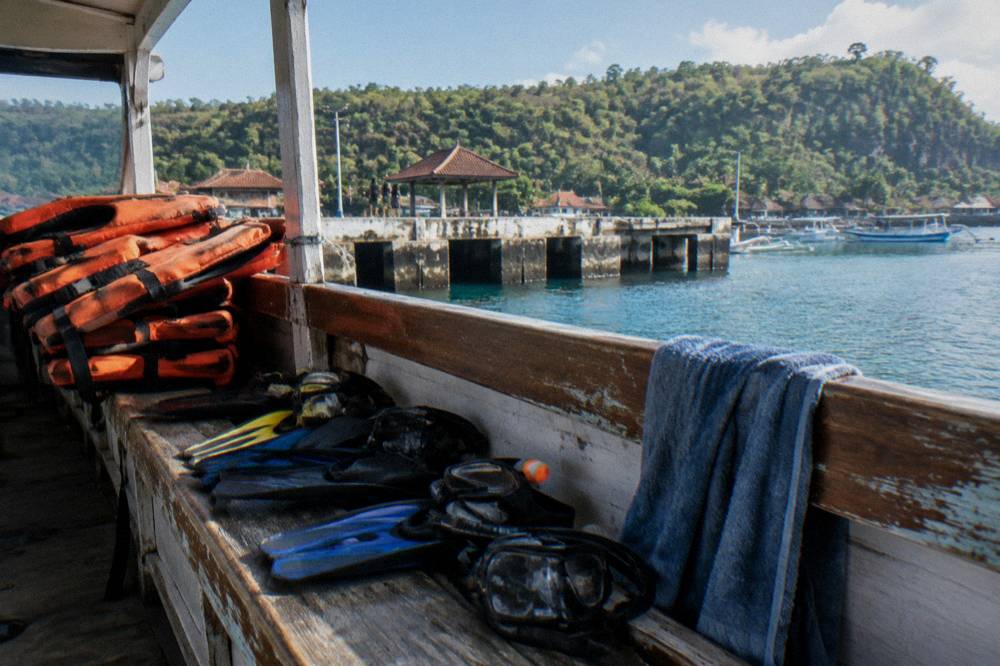
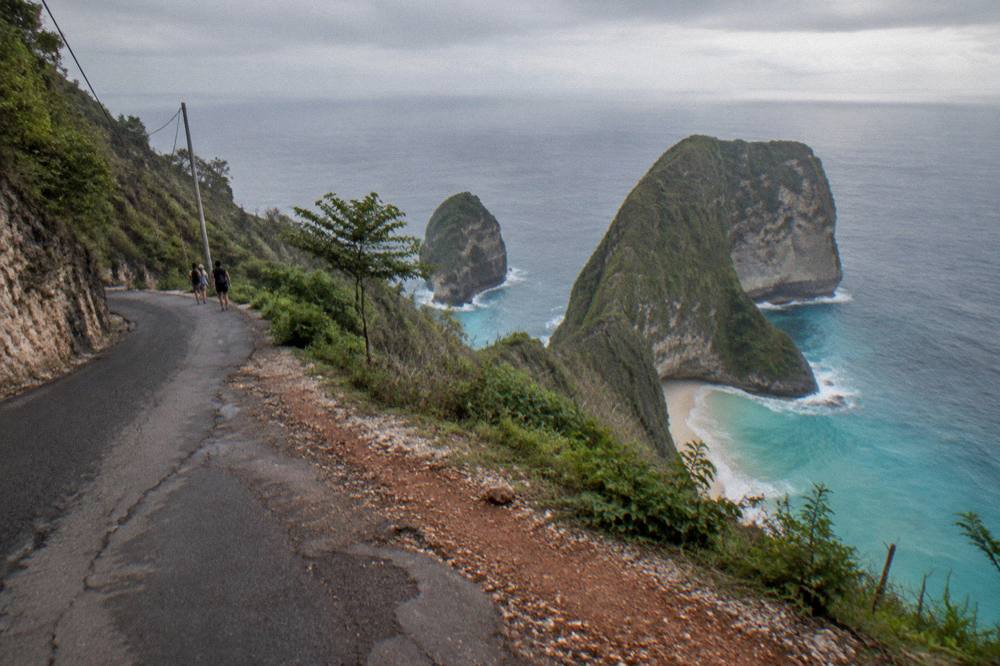
On the water, the gear list on every listing includes mask, snorkel, fins and life jacket, and the supervised trips add a guide in the water. If you wear prescription glasses, bring contact lenses, since rental masks are standard. And if your trip includes a land circuit, closed shoes beat flip-flops for the Kelingking viewpoint path, a point covered in detail in the Kelingking Beach stairs and lift guide.
Every snorkel tour on this roster offers free cancellation on the listing, which matters more here than on most trips: sea conditions decide the day, and an operator cancelling an exposed-site run for swell is doing you a favour. Book the date, watch the forecast, and keep the flexibility. If you are still weighing whether the island justifies the crossing at all, the honest case for and against is laid out in is Nusa Penida really worth it.
The short version of this whole guide: match the format to your swimmer, not your budget alone. The $70 manta-and-land tour is the default for good reason, the $28 west coast trip is the value play for confident swimmers on a short clock, and the private charters are the ones people book twice.
Whichever of those two directions you lean, shared-and-cheap or private-and-flexible, the roster has a third option worth a glance before you commit: the manta point and west coast tour splits the difference, pairing the cheapest manta session on the site with the island's headline coastline.
Common Questions About Nusa Penida Snorkeling Tours
Which Nusa Penida snorkeling tour is best for beginners?
The manta snorkeling and land tour from INDO COMPASS BALI, from $70 and rated 4.9 from 2,660 reviews, includes full gear rental, life jacket, a professional guide and all fees, making it the most beginner-proof package on the roster. The private boat charter from Nice Trip, from $65 per person, adds supervised snorkeling with a guide dedicated to your group.
Can you see manta rays while snorkeling on Nusa Penida?
Yes. Mantas are present year round at Manta Bay and Manta Point because the cleaning stations and plankton supply do not pause, and operator-reported sighting rates run about 85 to 95 percent at Manta Point and 60 to 85 percent at Manta Bay. No tour guarantees a sighting, and swell can force reroutes or cancellations at the exposed sites.
How much does a snorkeling tour on Nusa Penida cost?
Snorkel tours on this roster run from $28 for the shared manta and west coast trip to $130 for a private three-site charter, with the popular manta-plus-land format between $52 and $70. The Bali tourist levy of IDR 150,000 per person and the island retribution of IDR 25,000 per adult are separate, official charges paid by all foreign visitors.
Is Crystal Bay or Gamat Bay better for snorkeling?
Crystal Bay has the clearer water, 20 to 30 m visibility when calm, and the chance of mola mola from July to October, but it draws the crowds. Gamat Bay is equally sheltered, holds good visibility year round, has healthy coral and turtles, and is consistently quieter. The 3-point tours visit both.
Do Nusa Penida snorkeling tours include the fast boat from Bali?
Some do and some do not, so check the inclusions before booking. The INDO COMPASS land tour, the 3-point trip and both yacht days include round-trip fast boat transfers; the private Nice Trip charter meets on Nusa Penida at Maruti Beach Club and expects you to make your own crossing.
Is snorkeling on Nusa Penida safe for weak swimmers?
Yes, with the right trip. Every listing on the roster includes a life jacket, and the supervised private charters put a guide in the water with you. Manta Bay is shallow and sheltered, making it the standard site for snorkel groups, while exposed Manta Point is rerouted or cancelled in swell. Choose a trip that states guide supervision and wear the jacket the whole session.