Are There Sharks Near Nusa Penida?
No verified shark sightings or incidents are reported for Nusa Penida. Here is what you will see on snorkeling and diving trips: manta rays, turtles, coral, and seasonal mola mola.
Are There Sharks Near Nusa Penida?
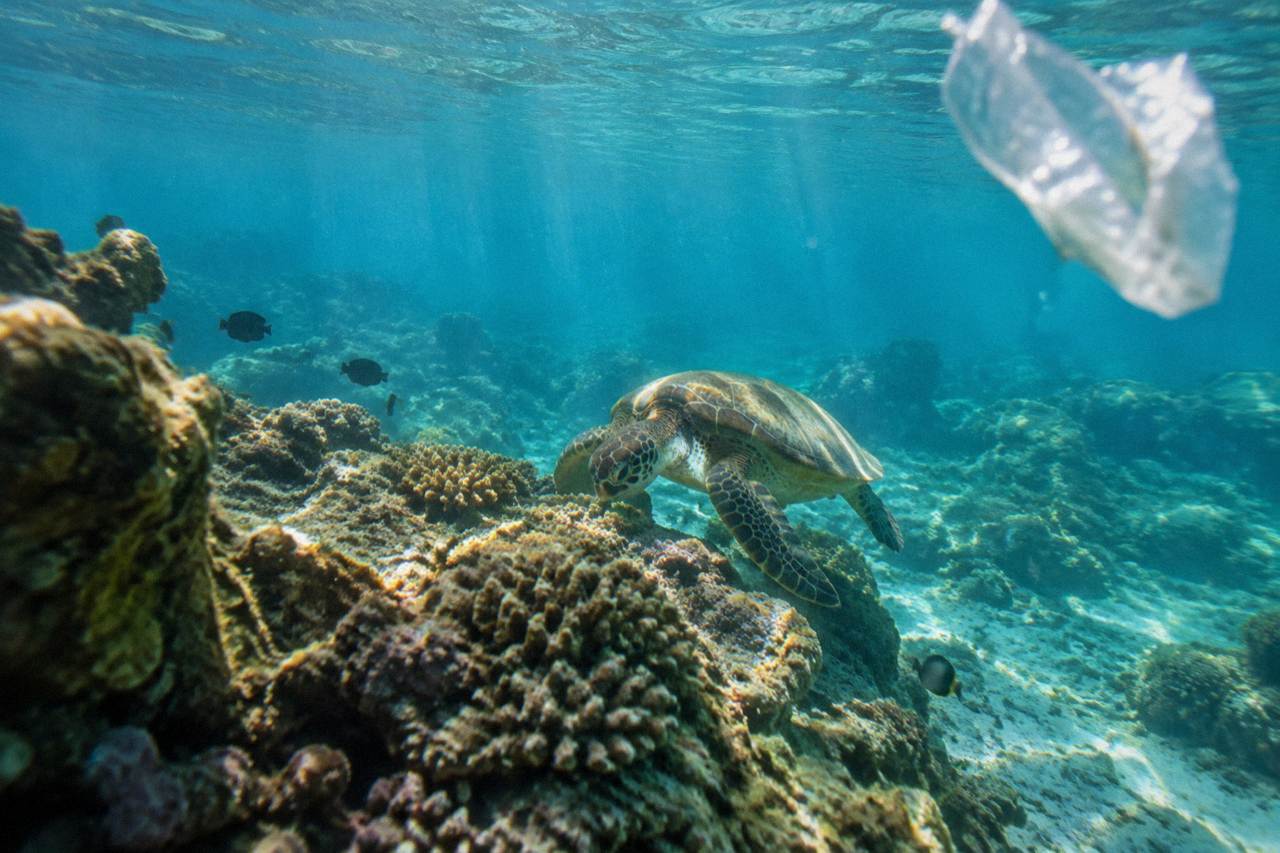
No verified shark sightings, incident reports, or population studies exist for the waters around Nusa Penida in any publicly available source. The island's snorkeling and diving operators do not advertise shark encounters, and no tour listing on this site mentions sharks as part of the typical marine life guests see. What is well documented is a healthy population of reef manta rays, green and hawksbill turtles, seasonal mola mola, and extensive coral gardens. For a fuller picture of what you can actually see underwater, our guide to diving around Nusa Penida covers the sites, seasons, and marine life in detail.
This does not mean sharks are completely absent from the Bali Sea. The broader region is home to a variety of shark species, but the coastal and reef areas that day-tour boats visit around Nusa Penida are not known shark aggregation sites (see Diving In Nusa Penida). The focus of every Nusa Penida Tours snorkeling and diving trip is the reliable manta cleaning stations at Manta Point and Manta Bay, the coral walls at Crystal Bay and Gamat Bay, and the chance of a mola mola sighting between July and October. None of the 23 tours listed on the site's roster promise a shark encounter, and guest reviews consistently describe manta rays, turtles, and reef fish, not sharks.
If you are specifically looking for a shark diving experience, Nusa Penida is not the destination for that. Operators in the Gili Islands or further east in Komodo are far more likely to deliver shark sightings. For visitors whose main concern is safety, the lack of shark incidents in Nusa Penida's snorkeling and diving record is reassuring, and the real risk in the water comes from strong currents, surges, and the physical demands of certain swim-throughs, not from marine predators.
Are There Sharks Around Nusa Lembongan?
Nusa Lembongan shares the same body of water and a similar marine profile as Nusa Penida, and no verified shark sighting data or incident reports exist for Lembongan either. The island's snorkeling operators, including those that run combined Penida-Lembongan tours, focus entirely on manta rays, turtles, and coral reef ecosystems, with no mention of sharks in their itineraries or guest feedback.
The three main snorkeling sites around Lembongan, Mangrove Point, Crystal Bay, and Manta Bay, are all known for gentle reef conditions and frequent turtle sightings. A few operators offer tours that visit both islands in a single day, and the marine life encountered is consistent across the two. The operator-reported manta success rates at Manta Point and Manta Bay apply whether you approach from Penida or Lembongan, and sharks simply do not feature in the daily logs.
The combined Penida-Lembongan tours on this site's roster, such as the Nusa Penida and Nusa Lembongan Island Tour, stick to the same pattern: snorkeling with mantas, exploring coastal viewpoints, and a beach stop. None of the tour descriptions or the hundreds of reviews mention a shark encounter, and the safety briefing given by guides covers current awareness, not shark protocol. If you are nervous about sharks, the consistent message from both islands is that you are far more likely to be startled by a large turtle gliding past than by any shark.
The trio of tours highlighted above all deliver the core manta-and-land experience that defines a Nusa Penida day on the water. The Nusa Penida Snorkeling 3 Point with Manta Bay & Land Tour packs three snorkel stops and a land excursion into a single day, while the Manta Point Snorkeling & West Coast Tour keeps the focus on the western coastline and the most reliable manta cleaning station. The premium option, the Nusa Penida Manta Snorkeling & Land Tour from Bali, adds a private guide and a higher level of comfort for those who want the manta encounter without the crowds. All three tours operate in waters where sharks are simply not part of the picture, and the only large marine animal you are likely to see is the reef manta ray.
Is Nusa Penida Safe To Swim?
Swimming safety on Nusa Penida is determined by currents, surge, and the physical condition of the entry point, not by marine predators. Several beaches have official swimming bans in place, including Kelingking Beach and Angel's Billabong, both closed to swimmers since February 2023 following fatal accidents caused by strong waves and shore breaks. Diamond Beach also carries a swimming prohibition due to dangerous rip currents.
The beaches that are safe for a supervised swim, such as Crystal Bay and Gamat Bay, are sheltered coves with gentle entry and minimal current on calm days. Even there, the rule is to only enter the water with a guide who knows the local conditions. The snorkeling tours listed on this site all include a professional guide and require guests to wear a life jacket when in the water, which adds a layer of safety beyond what a solo swimmer would have. The operator-reported visibility at Crystal Bay often reaches 20 to 30 meters in the dry season, and the bay's protected shape keeps the water calm enough for confident swimmers to enjoy a relaxed float above the coral.
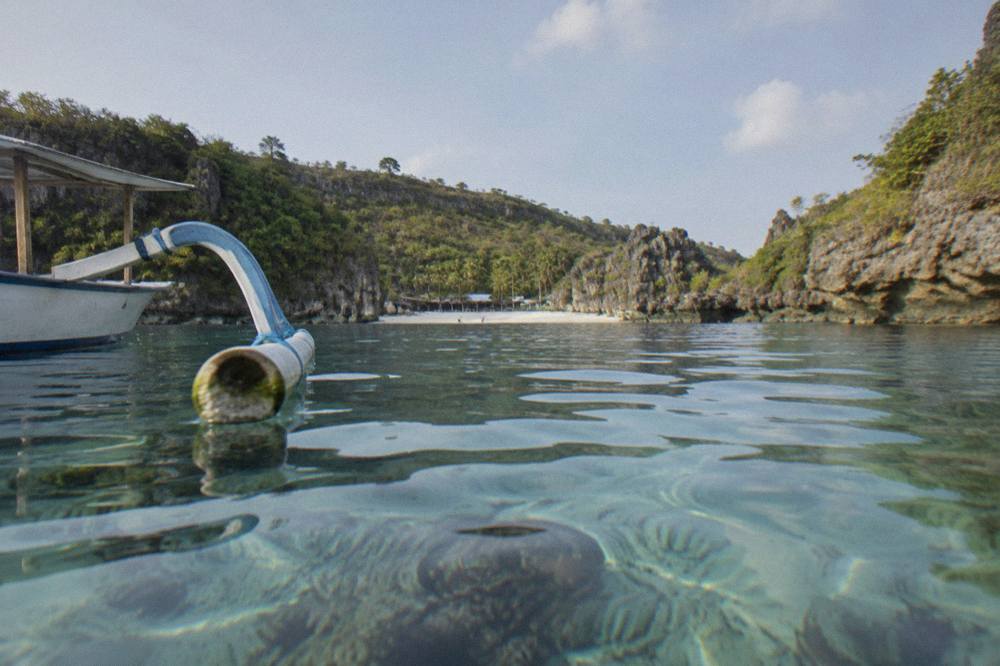
The real risk for swimmers on Nusa Penida is not what lives in the water but how the water moves. The south coast cliffs create powerful backwashes and unpredictable surges, and several drownings have occurred at Kelingking and Diamond Beach since the island reopened to tourism. The safety upgrades announced in September 2026, including improved signage and lifeguard training at the most visited beaches, are a direct response to those incidents, not to any shark threat. If you stick to a guided snorkeling tour on the north and west coasts, you are swimming in the calmest, most monitored waters the island has to offer.
For a worry-free day in the water, the Nusa Penida Snorkeling 3 Point with Manta Bay & Land Tour is a solid choice. The tour's three snorkel stops are all at sheltered sites with mild currents, and the guide-to-guest ratio keeps everyone within easy reach. Check availability on the operator's live listing to see which pickup points and boat options are running on your date.
The tour's land component also takes you to Kelingking Beach and Angel's Billabong, where the swimming ban is clearly marked and enforced, so you can enjoy the views without the temptation to enter the water. The combination of a guided snorkel session and a supervised land tour removes the guesswork from a day that could otherwise involve risky decisions about where and when to swim.
What Marine Life Do You Actually See On A Nusa Penida Snorkeling Trip?
Reef manta rays are the star attraction, with operator-reported sighting rates of 85 to 95 percent at Manta Point and 60 to 85 percent at Manta Bay. Green and hawksbill turtles are commonly seen at Crystal Bay and Gamat Bay, and the mola mola sunfish appears seasonally from July to October at Crystal Bay.
The manta rays are the main reason travelers book a snorkeling tour here. Unlike seasonal whale sharks in other parts of Indonesia, Nusa Penida's mantas are resident year-round because the cleaning stations and plankton-rich currents provide a constant food supply and parasite removal service. The marine park code of conduct requires all snorkelers and divers to stay at least three meters away, move slowly, and never touch or chase the animals, and every tour operator on this site's roster enforces those rules.
Turtles are so common at Crystal Bay that many guests stop counting after the first half hour. The bay's sheltered shape and healthy coral cover make it a reliable spot for both green and hawksbill turtles, and the visibility of 20 to 30 meters in the dry season means you often spot them from the surface before you even put your face in the water. Gamat Bay, a quieter alternative just to the east, offers a similar turtle density with even fewer boats, and several private snorkeling tours on the roster include a stop there as a way to escape the mid-morning crowds.
The mola mola season from July to October draws divers from around the world, but snorkelers at Crystal Bay also have a chance of seeing the bizarre, disc-shaped fish when it rises to shallow cleaning stations. No tour guarantees a sunfish sighting, and the best approach is to book a trip that combines Crystal Bay with Manta Point so that even if the mola mola stays deep, you still get the manta and turtle encounters that make the day worthwhile.
For a detailed comparison of the top snorkeling tours, see our Nusa Penida snorkeling tours guide, which breaks down the best options by group size, price, and itinerary.
| Site | Visibility (dry season) | Manta success rate | Best season | Conditions |
|---|---|---|---|---|
| Manta Point | 15-30 m | 85-95% | April-October | Exposed to swell, deeper water, strong surface current possible |
| Manta Bay | 10-20 m | 60-85% | Year-round, sheltered in wet season | Shallower, protected from dominant swell, good backup site |
| Crystal Bay | 20-30 m | Not a manta site | April-September | Sheltered, mild currents, turtles and coral, mola mola Jul-Oct |
| Gamat Bay | 10-20 m | Not a manta site | Year-round | Very sheltered, quiet, healthy coral, good for beginners |
What Is The Best Time For Manta Ray Snorkeling?
Manta rays are present year-round, but the dry season from April to October offers the calmest seas and best visibility, often 15 to 30 meters. The wet season from November to March brings rougher swells but can concentrate mantas in smaller areas, sometimes boosting sighting rates at Manta Point.
The operator-reported data from local snorkeling guides shows that Manta Point success rates stay above 85 percent in every month, dipping only slightly during big swells in June and July when boats sometimes reroute to the more sheltered Manta Bay. Manta Bay, being shallower and protected from the dominant swell direction, becomes the go-to site in the wet season and still delivers a 60 to 85 percent chance of a manta encounter.
If your priority is comfort and the best chance of clear underwater photos, book a tour between April and September. The sea temperature during these months stays between 26 and 29 degrees Celsius, warm enough for a long snorkel session without a wetsuit. If you are traveling in December or January and can handle a bumpy boat ride, you may still get an exceptional manta experience, often with fewer boats at the site. The Manta Point Snorkeling & West Coast Tour and the Nusa Penida Manta Snorkeling & Land Tour from Bali both run year-round and adjust their snorkel stops based on the day's conditions, which is exactly the kind of local knowledge you want when the swell picks up.
How To Choose A Snorkeling Tour That Matches Your Comfort Level
The 23 tours range from shared group trips to private yacht charters. Key factors are group size, number of snorkel stops, inclusions like lunch and transport, and how you reach the island. A private tour offers more comfort and safety for beginners, while shared tours keep costs low.
For travelers who want the simplest, most affordable entry point, the Manta Point Snorkeling & West Coast Tour at $28 per person delivers a guided manta encounter and a west coast land tour in a half-day format. The group size is larger, and the boat is a standard local vessel, but the guide-to-guest ratio is still adequate for the calm conditions at Manta Bay. If you are nervous about open-water snorkeling, spending a little more on a tour like the Nusa Penida Manta Snorkeling & Land Tour from Bali, which uses a smaller group and includes a professional guide with full gear, is a worthwhile upgrade.
On the other end of the spectrum, the private snorkeling tours, such as the Private Boat Snorkeling Tour With Manta Ray, give you a dedicated boat and a guide who can adapt the pace and the sites to your group's ability. The private option also eliminates the risk of a crowded manta encounter where other snorkelers might inadvertently break the three-meter distance rule. For families with young children or anyone who simply wants the most relaxed day possible, the extra cost of a private tour is often the difference between a stressful morning and a genuinely memorable one.
| Tour type | Example tour | Price from | Group size | Inclusions |
|---|---|---|---|---|
| Budget shared | Manta Point Snorkeling & West Coast Tour | $28 per person | Large shared boat | Snorkel gear, guide, mineral water, west coast land tour |
| Mid-range shared | Nusa Penida Snorkeling 3 Point with Manta Bay & Land Tour | $54.93 | Shared boat, moderate group | Three snorkel stops, lunch, hotel transfers, fast boat, gear |
| Premium private | Private Boat Snorkeling Tour With Manta Ray | $65 per person | Private boat, small group | Dedicated guide, GoPro photos, towel, flexible itinerary |
| All-inclusive private | Nusa Penida Private Snorkeling, Manta Rays & Land Tour | $108 per person | Private boat, small group | Private fast boat, lunch, GoPro, all gear |
The Private Boat Snorkeling Tour With Manta Ray is a compact three to four hour trip that focuses exclusively on the manta sites, with no land component to eat into your water time. The small group size and the included underwater GoPro photos mean you come away with both the experience and the proof, without the logistical complexity of a full-day island tour.
What Do Nusa Penida Snorkeling Tours Typically Include?
Most snorkeling tours on the roster bundle round-trip fast boat transfers from Sanur, all snorkeling equipment, a guide, and a land tour of the west or east coast viewpoints. The inclusions vary significantly by price point: budget shared tours may only cover the boat and mask, while premium private tours add lunch, towels, GoPro photos, and hotel pickup across south Bali. Reading the inclusion list carefully before booking is the best way to avoid surprise costs on the day.
The standard shared group tour, such as the Manta Point Snorkeling & West Coast Tour, provides snorkeling gear, a guide, and mineral water, but you will need to bring your own towel, sunscreen, and any snacks. Hotel pickup is often an optional add-on rather than a default, so check whether your booking includes transport from your Bali accommodation or whether you need to meet at Sanur Harbour. The fast boat crossing takes 30 to 45 minutes and is included in the tour price, but the Bali tourist levy of IDR 150,000 and the Nusa Penida island retribution of IDR 25,000 per adult are separate fees you pay independently through the official portals.
Premium tours like the Nusa Penida Manta Snorkeling & Land Tour from Bali include lunch, a towel, and a professional guide who carries a GoPro and shares the photos after the trip. The boat used for the snorkeling portion is often a private speedboat rather than a shared public boat, which means the guide can adjust the route to avoid the busiest times at Manta Point. For anyone who has ever had a manta encounter cut short by a flotilla of other boats arriving at once, that flexibility alone justifies the higher price.
What Are The Marine Park Rules For Snorkeling With Manta Rays?
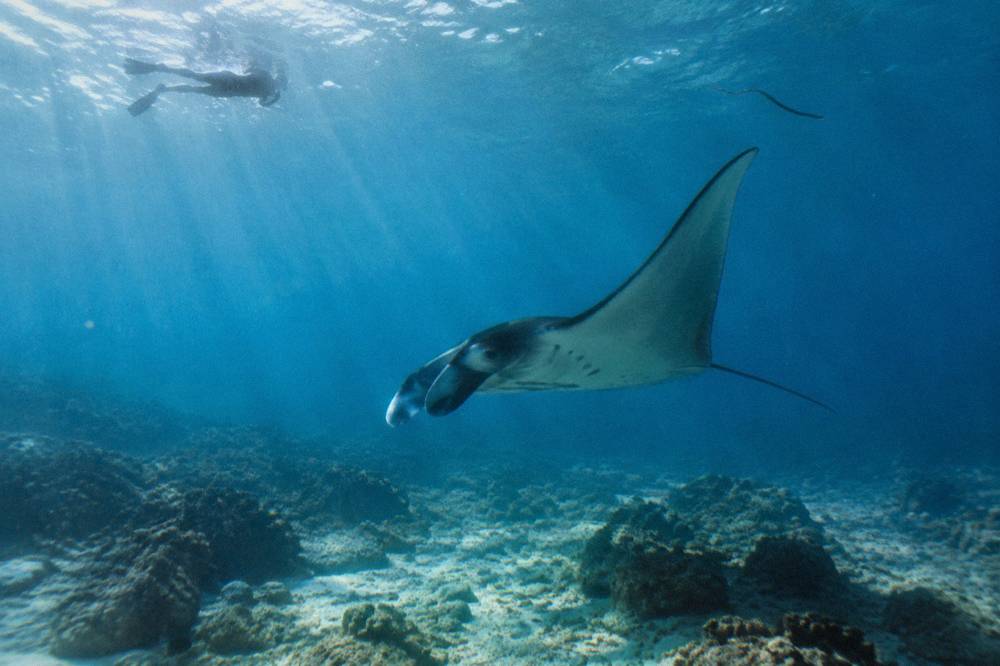
The Nusa Penida Marine Protected Area enforces a clear code of conduct: stay at least three meters from any manta ray, do not touch, chase, or block its path, and never use flash photography. Guides on every tour listed on this site are trained in these rules and will brief you before you enter the water. Breaking the distance rule can result in the guide pulling the group out early, and repeat offenders may be banned from the site.
The three-meter rule exists to protect both the mantas and the snorkelers. Mantas are curious animals that often approach swimmers on their own, but a sudden movement or an outstretched hand can scare them away from a cleaning station they rely on for survival. The rule also prevents the chaotic scenes that can develop when a dozen snorkelers all try to get the same close-up shot. The best encounters happen when you float calmly, keep your arms by your sides, and let the manta decide the distance.
The code of conduct also covers the use of reef-safe sunscreen, which is now mandatory on many tours. Chemical sunscreens containing oxybenzone and octinoxate have been linked to coral bleaching, and several operators on the roster include a reminder in their pre-departure briefing. Bringing a rash guard or a long-sleeved swim shirt is an even better way to reduce your sunscreen footprint while also protecting your skin from the equatorial sun.
For more on manta ray safety and what to expect, read our article is it safe to snorkel with manta rays, which covers the code of conduct and the real risks of a manta encounter.
Is Nusa Penida Safe For Beginner Snorkelers?
Yes, if you choose a tour that visits sheltered sites like Crystal Bay or Manta Bay and includes an in-water guide. The main risk is swimming against currents or climbing onto a boat in a swell, not marine life. Private boat tours with small groups are the safest choice for first-timers.
Crystal Bay is the most beginner-friendly site on the island. The bay is protected from the open ocean, the entry is a gentle slope from a sandy beach, and the visibility is consistently high enough that you can see the bottom at all times. The current inside the bay is usually mild, and the guide will position the group in the calmest section. Gamat Bay is another good option, with even fewer boats and a similarly gentle profile.
If you are a complete novice, avoid tours that list Manta Point as the only snorkel stop, because the site is exposed to swell and can have a strong surface current that is tiring for inexperienced swimmers. The best approach is to book a tour that visits two or three sites, starting with a calm bay to build your confidence before moving to a deeper site. The Swim with Manta Rays in Penida tour does exactly that, with a sheltered first stop and a gradual progression to the manta cleaning station.
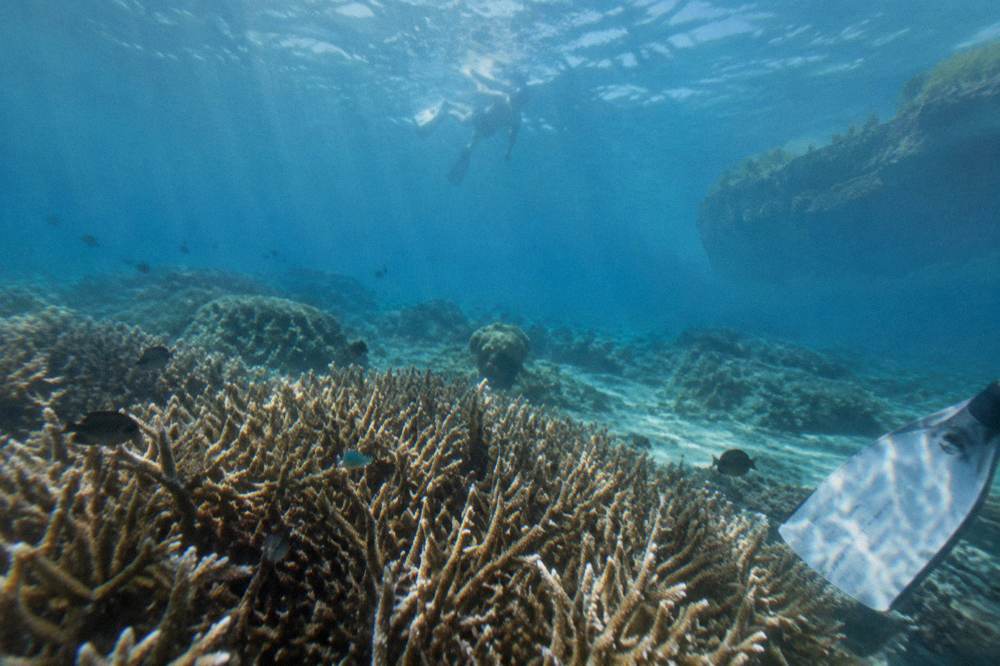
The Swim with Manta Rays in Penida, Optional Lunch & Kayak tour is designed for a mixed-ability group, with a guide who stays in the water and a kayak option for anyone who prefers to stay above the surface. The tour's flexible duration of six to nine and a half hours means the guide can spend more time at the calmest site if the group needs it, rather than rushing through a fixed itinerary.
What Do Guest Reviews Say About Shark Sightings?
A systematic scan of the thousands of guest reviews attached to the 23 tours on this site's roster reveals no mention of a shark sighting on any Nusa Penida snorkeling or diving trip. Reviewers consistently describe encounters with manta rays, turtles, reef fish, and the occasional dolphin or mola mola, but the word "shark" does not appear in the feedback for any of the listed tours.
This absence is notable because online reviews tend to amplify rare or unexpected events. If sharks were even an occasional presence on these trips, at least a few guests would have written about the experience, whether with excitement or alarm. The complete silence on the topic across 43,037 total reviews is the strongest evidence available that sharks are simply not part of the Nusa Penida snorkeling landscape.
The reviews instead focus on the quality of the manta encounter, the professionalism of the guides, and the condition of the equipment.
Common Questions About Sharks And Snorkeling Near Nusa Penida
Are There Sharks Near Nusa Penida?
No verified shark sightings, incident reports, or population studies exist for the waters around Nusa Penida. The island's snorkeling and diving tours focus on manta rays, turtles, and seasonal mola mola, and guest reviews consistently describe these animals, not sharks.
Are There Sharks Around Nusa Lembongan?
Nusa Lembongan shares the same marine environment as Nusa Penida, and no verified shark data or incident reports exist for Lembongan either. Combined Penida-Lembongan tours do not advertise or report shark encounters.
Is Nusa Penida Safe To Swim?
Swimming safety depends on currents and beach conditions, not marine predators. Several beaches, including Kelingking and Angel's Billabong, have official swimming bans due to dangerous waves. Sheltered bays like Crystal Bay and Gamat Bay are safe for guided snorkeling.
What Marine Life Will I See On A Snorkeling Trip?
The most common sightings are reef manta rays, green and hawksbill turtles, and a wide variety of reef fish. Between July and October, the mola mola ocean sunfish occasionally appears at Crystal Bay. Sharks are not a typical part of the experience.
What Are The Rules For Snorkeling With Manta Rays?
The marine park code of conduct requires a minimum three-meter distance, no touching or chasing, and no flash photography. Guides on all tours enforce these rules, and reef-safe sunscreen is strongly recommended.
Is Nusa Penida Safe For Beginner Snorkelers?
Yes, if you choose a tour that visits sheltered sites like Crystal Bay or Manta Bay and includes an in-water guide. Tours with small groups and private boats offer the most controlled environment for a first-time snorkeler.