What Time Of Year Are Manta Rays In Bali?
Manta rays live around Nusa Penida all year, with no migration season. This guide explains the dry-season comfort window, wet-season swell, and which months give the best odds.
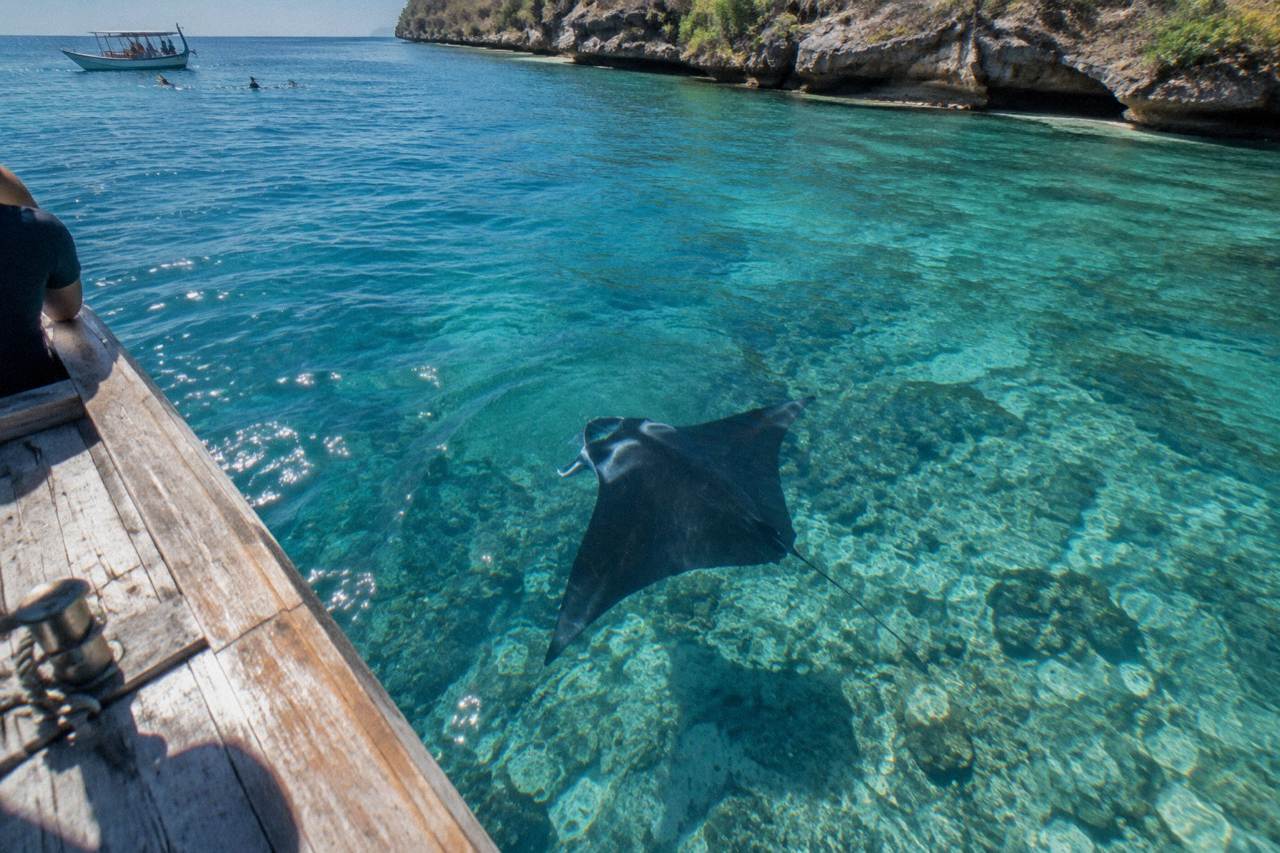
Manta rays do not leave. That single fact separates Bali from almost every other manta destination on earth, where the animals follow plankton blooms or warm currents along a coast and disappear for months at a time. Around Nusa Penida the mantas hold station at fixed cleaning stations and feeding grounds, so a snorkeler in January has broadly the same chance of meeting one as a snorkeler in July. What the calendar actually controls is the sea: swell height, underwater visibility, crossing comfort and the odds your boat gets out to the exposed sites at all. Answering the question properly means separating "are they there" from "can you reach them", and the two answers do not line up neatly. The mantas are only part of the story, and the real reasons Nusa Penida draws so many visitors explain why the island has become such a fixture on Bali itineraries.
What Time Of Year Are Manta Rays In Bali?
Manta rays are present around Nusa Penida in every month of the year, with no migration season and no period when they leave. Local operators report sighting rates of roughly 85 to 95 percent at Manta Point and 60 to 85 percent at Manta Bay, sustained across all twelve months. The practical question is not when the mantas arrive but when sea conditions let boats reach them comfortably, and that window runs April to October.
The reason for the year-round presence is structural rather than seasonal. Manta Point and Manta Bay sit along Nusa Penida's southwest cliffs, where upwellings push cold, nutrient-rich water toward the surface and feed a steady plankton supply. Reef mantas gather there to feed and to visit cleaning stations, where small fish pick parasites off their bodies. Neither food nor cleaning depends on a season, so neither do the mantas. Operators on the island describe the population as resident, and the month-by-month logs they share show no month at zero.
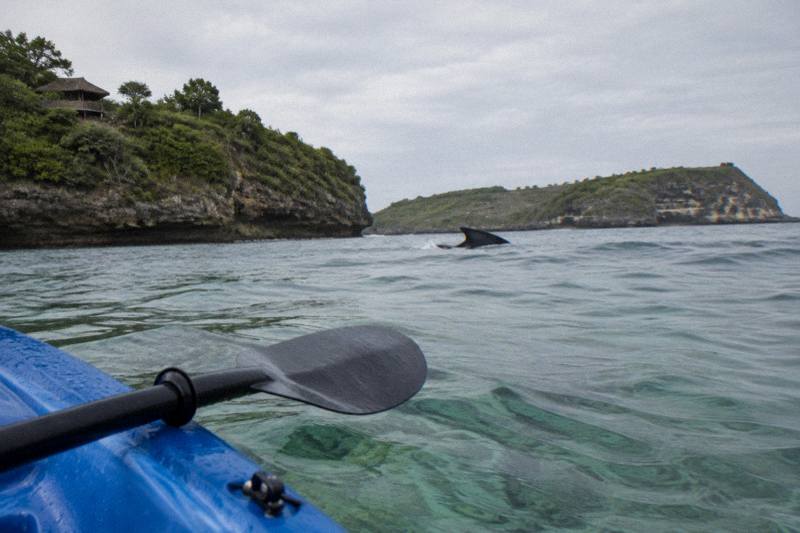
That is why the honest answer to "what time of year" is "all of them, with an asterisk". The asterisk is the Indian Ocean swell. The same exposed southwest coast that concentrates the plankton takes the full force of the wet-season waves from November to March, and when the swell rises, skippers reroute to sheltered bays or cancel outright. The mantas are still there, a few metres below a sea that is too rough to safely drop snorkelers into.
For travellers who want to combine mantas with the island's land highlights, the roster has three natural shapes of trip. The shared Manta Point Snorkeling & West Coast Tour runs from $28 per person and carries a 4.6 rating from 1,674 reviews. A full boat-plus-island day like the Nusa Penida Manta Snorkeling & Land Tour from Bali, 4.9 from 2,660 reviews, from $70, bundles the crossing, gear, lunch and entry fees. At the top end, a Premium Yacht Nusa Penida Manta Snorkeling & Land Tour, 4.9 from 1,683 reviews, from $100 per person, swaps the open speedboat for a yacht with fresh fruit, soft drinks and a beachfront lunch.
What Is The Best Time To See Manta Rays?
April to October is the best window, pairing the calmest seas with 15 to 30 metres of underwater visibility. Within that, April to June and September to October are the sweet spots, with fewer crowds than July and August and the most reliable boat access to exposed Manta Point. Operator-reported sighting rates hold through the whole dry season.
The dry season does two things at once. It flattens the swell that blocks access to the southwest sites, and it clears the water. Visibility in good dry-season conditions runs 15 to 30 metres, which matters more for manta snorkeling than for almost any other activity on the island: a manta feeding five metres down in 30-metre visibility is a full-body encounter, while the same animal in 8-metre water is a grey shape you half-guess at. The crossing from Sanur is smoother too, and rough crossings are the single most common reason a manta day starts badly.
July and August sit inside the dry season but bring peak crowds, and they also bring a moderate swell pattern that can still shut down Manta Point on individual days. The shoulder months dodge most of that. September and October deserve a special mention for a second reason: operator logs place Manta Bay's sighting peaks, at 90 to 95 percent, in October to December, so an October trip can catch both the calm tail of the dry season and a strong feeding period in the bay.
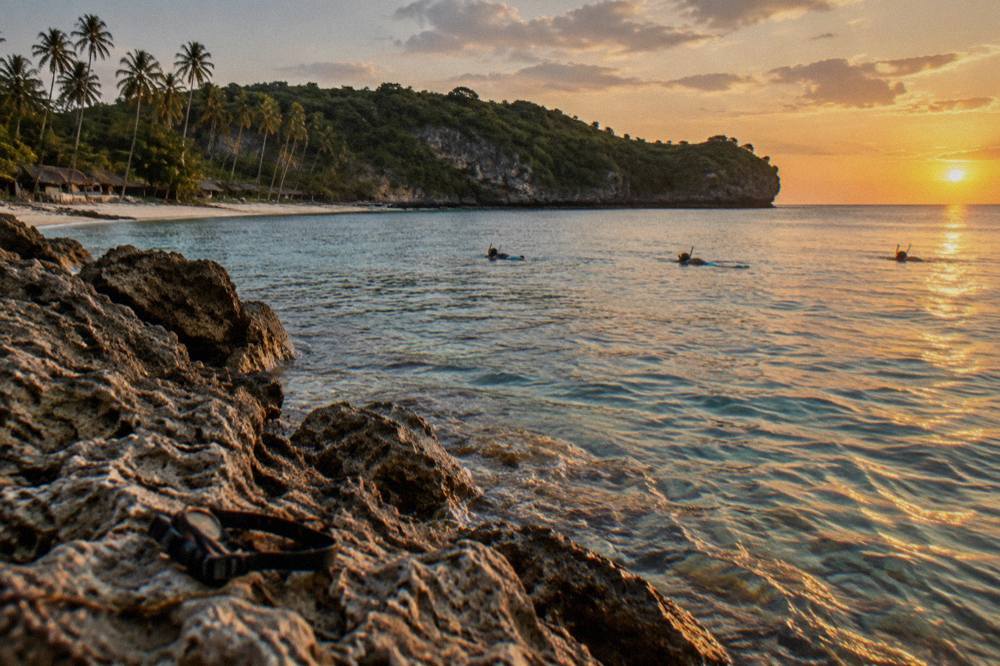
Water temperature follows its own quiet curve. The sea around Nusa Penida runs 29.4 degrees in December down to 26.2 in August, and the cooler dry-season months bring thermoclines that snorkelers feel as sudden cold bands a few metres down. Those cooler, nutrient-dense waters are part of what keeps the plankton, and so the mantas, in place. A shorty wetsuit or a rash guard is enough for most people.
Is It Rainy Season In Bali Now?
The rainy season runs November to March, and the dry season April to October. In the wet months, swell at the exposed south-coast manta sites often reaches 1 to 3 metres, visibility drops to a reported 5 to 12 metres, and operators report more reroutes and cancellations. Manta Bay, being more sheltered, stays reachable more often than Manta Point.
Rain itself is almost beside the point. A tropical downpour passes in an hour and a snorkeler is getting wet anyway. What the wet season brings is wind and a long-period swell rolling in from the southwest, and that swell decides whether the boat goes out. Skippers make the call on the morning, not the booking: a tour can leave Sanur in acceptable conditions and still divert from Manta Point to Manta Bay or to a sheltered reef when the site is breaking. Good operators say so plainly, and the better listings on the roster, including the shared Manta Point Snorkeling & West Coast Tour, structure the day so a reroute still delivers a snorkel plus the west-coast viewpoints.
The month table below folds the verified rainfall and sea-temperature averages together with the operator-reported conditions pattern, so the trade-offs sit in one place.
| Month | Rainfall (mm, rainy days) | Sea temp (C) | Reported sea state | Manta access pattern |
|---|---|---|---|---|
| January | 288 (20) | 28.7 | Rough, low visibility | Manta Bay reroutes common |
| February | 272 (19) | 28.4 | Rough, low visibility | Cancellations possible |
| March | 193 (17) | 29.2 | Moderate-rough, improving | Late-month windows open up |
| April | 123 (12) | 28.9 | Calm, visibility rising | Dry season begins |
| May | 66 (7) | 28.5 | Calm, 15-30 m visibility | Both sites reachable |
| June | 47 (6) | 27.8 | Calm, occasional swell | Manta Bay odds dip to about 60 percent |
| July | 43 (3) | 26.8 | Moderate, peak crowds | Book ahead, both sites busy |
| August | 35 (1) | 26.2 | Calm, coolest water | Mola mola season starts |
| September | 47 (1) | 26.5 | Calm, excellent visibility | Strong all-round month |
| October | 67 (3) | 27.7 | Calm, visibility excellent | Manta Bay peak feeding begins |
| November | 137 (9) | 28.7 | Moderate, swell returning | Reroutes increase |
| December | 254 (16) | 29.4 | Rough, low visibility | Manta Bay peak odds, rough access |
Two honest readings of that table. First, June and July are the weakest dry-season months for sighting percentages, with operator logs putting Manta Bay around 60 percent during the mid-year swell, even though the weather on land is at its best. Second, October to December is the strange inversion: the wet season starts, access gets patchier, but the mantas feed hardest in the bay. A flexible traveller in November who can take a couple of backup days can do very well.
Where Do Manta Rays Gather Around Nusa Penida?
Two sites hold the mantas: Manta Bay, a shallower, more sheltered feeding spot suited to snorkelers, and Manta Point, a deeper cleaning-station site further along the southwest cliffs. In calm weather operators visit Manta Point; in swell they fall back to Manta Bay, which is why knowing both matters more than choosing one in advance.
The two sites are not interchangeable, and the difference shapes the whole day. Manta Bay is the sheltered option: mantas feed there in the water column, often within a few metres of the surface, and the site tolerates more sea state. Manta Point is the more exposed, more reliable cleaning station, where mantas loop over the same rocks in predictable circuits, but it sits open to the swell and gets called off more often. Local snorkel operators describe the choice as a morning-of decision, and a good skipper will tell you which one you are getting and why.
| Manta Bay | Manta Point | |
|---|---|---|
| Character | Shallow feeding ground | Deep cleaning station |
| Shelter | More sheltered, reachable in swell | Exposed to southwest swell |
| Operator-reported sighting rate | 60 to 85 percent, peaking 90 to 95 percent October to December | 85 to 95 percent |
| Best suited to | Snorkelers, wet-season trips | Calm-season snorkelers and divers |
| Weak spot | Odds dip to about 60 percent in June-July swell | Cancellations and reroutes in rough weather |
Most booked tours do not ask you to choose. The Manta Point Snorkeling & West Coast Tour, from $28 per person, is built around the southwest coast with the land loop as the fallback, and the full-day boat-and-land products such as the Nusa Penida Manta Snorkeling & Land Tour from Bali, 4.9 from 2,660 reviews, let the skipper pick the site on the day. That flexibility is worth more than any fixed itinerary, because the sea makes the decision, not the brochure. The code of conduct applies at both sites: at least 3 metres of distance, no touching or chasing, no flash, and supervision by the guide, as set out in the local manta ray code of conduct.
How Reliable Are Manta Sightings, Really?
No operator guarantees a manta, and every honest listing says so. The numbers that circulate, roughly 85 to 95 percent at Manta Point and 60 to 85 percent at Manta Bay, are operator-reported from their own logs, not audited statistics. They are a fair planning guide but a poor promise, and the mantas are wild animals that do not read itineraries.
The right way to use the percentages is as a shape, not a number. Over many trips the sites deliver mantas most days, and the difference between a good month and a weak month is a matter of ten or twenty percentage points, not of presence versus absence. A snorkeler who books two water days instead of one roughly squares their chances, which is the single most effective thing anyone can do to convert a probability into a memory. Travellers combining mantas with the wider island can also stack the deck by choosing a tour that includes a second snorkel stop, so a quiet morning at the manta site still ends with turtles and coral at Crystal Bay or Gamat Bay.
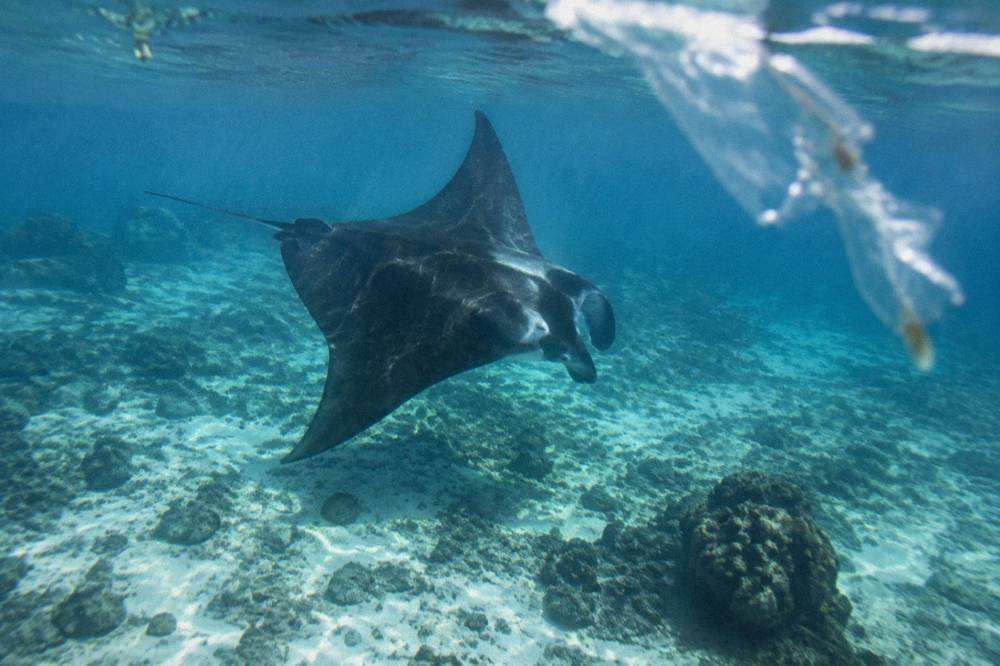
It is worth being equally blunt about what a sighting is. Sometimes a manta passes below at ten metres, a silhouette in blue, and that is the whole encounter. Sometimes three animals loop around the snorkelers for twenty minutes. Both count in the log. Reviews on the live listings describe both outcomes, and the ones that read as disappointed usually expected the second while booking for the first. The local comparison of the two sites is candid about the same spread.
Does The Season Change Which Tour You Should Book?
Yes, materially. In the dry season any format works, from the $28 shared snorkel to the premium yacht. In the wet season, pick a tour with a sheltered-water plan and a land component, because the exposed sites get cancelled and a boat-only itinerary can collapse into a refund request rather than a reroute.
The budget end of the roster is a dry-season instrument. The shared Manta Point Snorkeling & West Coast Tour, 4.6 from 1,674 reviews, from $28 per person, is superb value when the sea cooperates, and its west-coast land loop gives it a natural wet-season fallback. The mid-tier full-day products, such as the Nusa Penida Manta Snorkeling & Land Tour from Bali, from $70, 4.9 from 2,660 reviews, include the fast boat, full gear, lunch and all marine park entry fees, which removes most of the small frictions a rough day adds. At the top, the Premium Yacht Nusa Penida Manta Snorkeling & Land Tour, 4.9 from 1,683 reviews, from $100 per person, is the format that handles mediocre conditions most gracefully, with an enclosed cabin, a beachfront lunch and unlimited water on board.
There is also a season argument for going private. A private boat can loiter at a feeding spot instead of holding a group schedule, and it can move between Manta Bay and Manta Point on the skipper's read of the water. The private-boat option on the roster, the Private Boat Snorkeling Tour With Manta Ray, 4.6 from 516 reviews, from $65 per person for three to four hours, is the short, sharp version: less island, more water. In October, when the bay feeding peaks, that trade is exactly right.
What About Mola Mola And Other Seasonal Marine Life?
The mola mola, or ocean sunfish, is the one genuine seasonal animal here, appearing at Crystal Bay and the deeper dive sites from July to October, peaking August to September. Mantas are year-round, but mola are a dry-season window, and it is the main reason August and September are the strongest all-round months for a combined trip.
Mola mola rise from deep, cold water to be cleaned near the surface, and the upwellings that make Nusa Penida's water chilly in August are the same mechanism that brings them up. Snorkelers do see them, but they are primarily a diver's prize, and the dive products on the roster, such as the 3 Fun Dives to Manta Point, Mola & Reef, 4.8 from a small pool of 31 reviews, from $248 per person, are built around that window. Anyone whose heart is set on a mola should plan August or September and be honest that even then it is a chance, not a schedule.
The rest of the marine calendar is quieter but steady. Turtles and healthy coral hold year-round at Crystal Bay and Gamat Bay, with Gamat the sheltered, quieter sibling. Sea temperature bottoms out at 26.2 degrees in August and peaks at 29.4 in December, per the long-term sea temperature record for Nusa Penida, and the cooler months are the ones that carry the most nutrients and the most plankton, which is the engine under everything else on this page. For a fuller look at the sheltered bays, the guide to snorkeling tours around Nusa Penida breaks down the sites by exposure and season.
What Should You Know Before Booking A Manta Snorkel?
Book free-cancellation, check whether the marine park fee is included, and read the reroute policy before you pay. Every manta product on this roster offers free cancellation, and the better ones bundle entry fees, gear and lunch. The one thing no listing can bundle is the sea, so build one flexible day into your trip as insurance.
The fee question is genuinely confusing, so here is the verified picture. Two separate charges exist for foreign visitors: the Bali tourist levy of IDR 150,000, paid once per trip before travel, and the Nusa Penida island retribution of IDR 25,000 for adults and IDR 15,000 for children aged 4 to 13, paid online with a QR voucher scanned at the harbour (see Is Bali Safe Right Now?). A marine park fee for snorkelers, often quoted around IDR 100,000, is operator-sourced and approximate, and on the better tours it is already inside the price. The full-day products on this roster state that marine park entry fees and attraction tickets are included, which is the cleanest way to avoid the question entirely. The site's guide to the entrance fees and the Bali tourist levy covers both payments step by step.
Gear and comfort are the other practical levers. Dry-season water at 26 to 28 degrees is fine in a rash guard; wet-season water is warmer but rougher, which is the trade nobody escapes. Prescription mask wearers should check in advance, and anyone prone to seasickness should take something before boarding, because the crossing plus a surface interval at an exposed site is the real test. The homepage comparison at Nusa Penida Tours puts the manta products side by side with the island day tours for anyone splitting a trip between water and land.
Common Questions About Manta Ray Seasons In Bali
What Time Of Year Are Manta Rays In Bali?
Every month. Manta rays are resident around Nusa Penida year-round, with no migration season. Operator-reported sighting rates run about 85 to 95 percent at Manta Point and 60 to 85 percent at Manta Bay across the calendar, so the mantas are not the variable, the sea state is.
What Is The Best Time To See Manta Rays?
April to October, the dry season, pairs calm seas with 15 to 30 metres of visibility. April to June and September to October are the sweet spots, with October also starting the peak feeding period in Manta Bay. July and August work well but are the most crowded.
Is It Rainy Season In Bali Now?
The rainy season runs November to March and the dry season April to October. In the wet months, swell at the exposed manta sites often reaches 1 to 3 metres, visibility drops to a reported 5 to 12 metres, and operators reroute to sheltered Manta Bay or cancel more often.
Are Manta Sightings Guaranteed?
No. No listing guarantees a sighting or a swim, and every honest operator says the mantas are wild. The published percentages are operator-reported logs, useful for planning, and booking two water days is the most reliable way to improve your odds.
Can You See Manta Rays In The Wet Season?
Yes, and October to December is actually a peak feeding period in Manta Bay, with operator-reported rates reaching 90 to 95 percent. The catch is access: rougher swell means more reroutes and cancellations, so build flexibility into your dates.
When Can You See Mola Mola In Nusa Penida?
Mola mola appear from July to October, peaking August to September, when cold upwellings bring them up to cleaning stations at Crystal Bay and the deeper sites. They are mostly a diver's sighting, and the mantas remain the year-round draw for snorkelers.